The Everlasting World of Games: A Journey Through Imagination, Skill, and Competition
Games have always been an integral part of human civilization. From the earliest board games carved into stone to the hyper-realistic digital worlds of today, games have evolved alongside humanity, reflecting our creativity, culture, and craving for challenge. They are not just tools for entertainment but also platforms for learning, communication, and emotional expression. Whether it is a child playing hide and seek, a teenager mastering a video game, or adults engaged in complex strategy games, the spirit of play continues to inspire generations.
The Ancient Roots of Gaming
The story of games begins thousands of years ago, long before electricity or the internet existed. Ancient civilizations like Egypt, China, and Mesopotamia had their own versions of board and dice games. The Royal Game of Ur, discovered in ancient Mesopotamia, dates back to around 2600 BCE and is one of the oldest known board games. Senet, an Egyptian game, was not only a pastime but also carried religious symbolism, representing the journey to the afterlife.
These games often reflected the social structures and beliefs of their time. They were used for fun but also as tools for teaching strategy, patience, and foresight. Ancient Chinese games like Go and Xiangqi required deep thinking and tactical skills, mirroring the philosophical and military thought processes of their culture.
Even before structured games existed, play was a natural instinct. Humans have always engaged in activities that mimic real-life skills. Hunting, chasing, and problem-solving all found their way into playful activities that prepared individuals for survival. Over time, these playful acts became formalized into games, paving the way for modern gaming culture.
The Evolution of Board and Physical Games
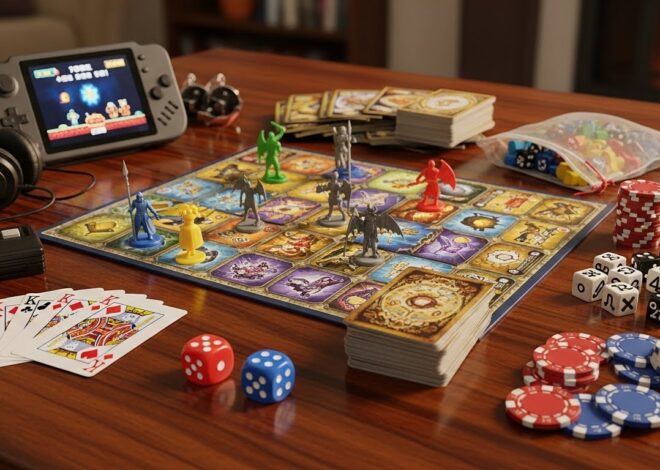
As societies developed, so did their games. Board games became common among families and communities, providing entertainment and intellectual challenge. Chess, originating in India as Chaturanga, became a global phenomenon that symbolized intelligence and strategic warfare. The game spread through Persia, Europe, and beyond, influencing countless generations and becoming one of the most respected games of all time.
In parallel, outdoor and physical games evolved into organized sports. Ancient Greeks played athletic games that eventually inspired the Olympic Games. Romans enjoyed gladiatorial contests and chariot races, while medieval Europe developed tournaments and jousting. Physical competition became a way to demonstrate strength, honor, and discipline.
Board games continued to flourish through the centuries. The 19th and 20th centuries saw the rise of mass-produced games like Monopoly, Scrabble, and Clue. These games were designed not just for entertainment but also for social interaction. They taught teamwork, negotiation, and vocabulary, shaping family evenings and friendships around the world.
The Digital Revolution in Gaming
The most dramatic transformation in the world of games came with the arrival of digital technology. The birth of video games in the 20th century marked a turning point that would forever change how people play. It began with simple pixelated visuals like Pong, but soon expanded into complex virtual worlds filled with adventure, competition, and storytelling.
The 1970s and 1980s were the golden age of arcade gaming. Iconic titles like Space Invaders, Pac-Man, and Donkey Kong captured the imagination of millions. Players crowded around arcade machines, chasing high scores and earning bragging rights. These games introduced a sense of competition that was both personal and social.
Then came the rise of home consoles. Companies like Nintendo, Sega, and later Sony and Microsoft brought gaming into living rooms. The Nintendo Entertainment System revolutionized the industry with its innovative gameplay and iconic characters such as Mario and Zelda. Sega’s Sonic the Hedgehog became a rival mascot, sparking fierce competition that drove technological advancement.
As graphics improved, storytelling in games became more sophisticated. The 1990s introduced games with rich narratives, 3D graphics, and immersive worlds. Players could explore vast environments, interact with characters, and influence outcomes. Role-playing games (RPGs) like Final Fantasy and The Legend of Zelda redefined what it meant to be a hero in a virtual universe.
The Rise of Online and Multiplayer Gaming
The internet brought another revolution in gaming. Multiplayer online games allowed people from different corners of the world to play together in real-time. What was once a solitary or local activity became a global phenomenon.
Massively Multiplayer Online Role-Playing Games (MMORPGs) such as World of Warcraft created entire digital societies. Players formed alliances, went on quests, and developed virtual identities. These online worlds offered an escape and a community, connecting millions of players who shared a passion for exploration and achievement.
At the same time, competitive gaming began to take shape. Online shooters like Counter-Strike, Halo, and later Call of Duty popularized esports, turning video gaming into a professional sport. Today, esports tournaments attract millions of viewers, with professional players earning fame and fortune comparable to traditional athletes.
The social aspect of gaming expanded beyond competition. Online platforms and streaming services allowed players to share their experiences with audiences. Games became a form of performance art, where creativity and humor blended with skill. The boundaries between playing and creating blurred, giving rise to a new kind of entertainment culture.
The Role of Games in Learning and Development
While many view games purely as entertainment, they also play a critical role in education and cognitive development. Games require quick decision-making, problem-solving, and teamwork. They improve hand-eye coordination, strategic thinking, and memory.
Educational games are used in schools to make learning interactive and enjoyable. Subjects like mathematics, history, and science are taught through simulation and storytelling, allowing students to experience concepts rather than just read about them.
Beyond education, games have been adopted in professional training. Military simulations, medical practice tools, and corporate training programs use game-based learning to enhance skills in a controlled environment. This method engages participants more effectively than traditional methods, proving that games can be powerful learning tools.
Moreover, games have therapeutic value. They can help individuals manage stress, anxiety, and depression. Certain games encourage mindfulness, relaxation, and emotional expression. In rehabilitation, motion-based games like those using virtual reality can aid physical therapy, helping patients regain mobility in a fun, motivating way.
The Cultural Impact of Games
Games are not just forms of play; they are also cultural artifacts. They tell stories, express values, and reflect the societies that create them. Just like music or cinema, gaming has its genres, icons, and artistic movements.
Video games today are a medium for storytelling that rivals books and movies. Games like The Last of Us, Red Dead Redemption, and Journey deliver deep emotional experiences through character development and interactive storytelling. Players don’t just watch a story—they live it, shaping outcomes through their choices.
In addition, games influence popular culture. Characters like Mario, Lara Croft, and Master Chief have become global symbols. Game music, fashion, and even dance trends often spill into mainstream media. Esports events fill stadiums, and gaming conventions attract millions of enthusiasts.
Gaming has also created communities that transcend borders. Players from different countries, languages, and backgrounds unite under the banner of shared interest. This sense of connection promotes cultural exchange and understanding, showing how digital worlds can build real-world friendships.
The Psychology of Gaming
What makes games so irresistible? The answer lies in psychology. Games trigger the human desire for achievement, mastery, and reward. Every level completed, every puzzle solved, and every victory earned releases dopamine—a chemical that gives a sense of satisfaction.
Games are designed to balance challenge and reward. Too easy, and they become boring; too hard, and they cause frustration. The best games keep players in a state of “flow,” where they are fully immersed and motivated to improve.
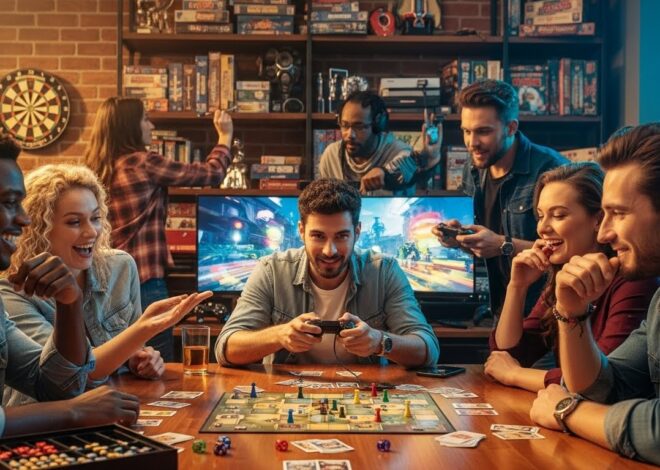
Social interaction also fuels the appeal of gaming. Multiplayer games tap into the human need for belonging and recognition. Players collaborate, compete, and celebrate victories together. The sense of identity formed within gaming communities can be powerful and meaningful.
However, the psychology of gaming also brings challenges. Excessive play can lead to addiction or social withdrawal. The balance between virtual achievements and real-life responsibilities is essential. Developers and educators continue to explore ways to encourage healthy gaming habits while preserving the fun.
The Future of Gaming Technology
The future of gaming is filled with limitless potential. With advancements in artificial intelligence, virtual reality, and augmented reality, games are becoming more immersive than ever before.
Virtual reality (VR) allows players to step directly into digital worlds. Instead of controlling a character, the player becomes the character, interacting with environments in three dimensions. This technology is transforming genres like adventure, horror, and simulation, making experiences incredibly realistic.
Augmented reality (AR) blends the digital with the real world. Games like Pokémon Go introduced millions to the concept of exploring the physical world through a digital lens. AR is expected to expand further, merging entertainment with everyday life.
Artificial intelligence is also shaping game design. AI-driven characters can adapt, learn, and respond to player behavior, creating dynamic and unpredictable experiences. Game worlds are becoming smarter, evolving in real-time based on player choices.
Cloud gaming is another innovation that removes hardware barriers. Players can stream high-quality games on any device, eliminating the need for expensive consoles or powerful computers. This accessibility ensures that gaming remains inclusive and widespread.
The Social and Economic Power of Gaming
Today, gaming is one of the most powerful industries in the world. It surpasses movies and music in revenue, influencing economies and job markets globally. From indie developers to large studios, millions of professionals contribute to the gaming ecosystem—programmers, artists, designers, and writers all play a part in shaping this vibrant industry.
Esports has turned gaming into a spectator sport, generating sponsorships, media deals, and international tournaments. Streaming platforms have created new careers where players entertain audiences by sharing their gameplay. Gaming merchandise, content creation, and fan communities contribute to a thriving global culture.
Moreover, gaming is a tool for social change. Developers use games to raise awareness about social issues, promote inclusivity, and challenge stereotypes. Games with diverse characters and narratives inspire empathy and understanding, making gaming a platform for positive influence.
Conclusion: The Infinite Game of Life
Games have come a long way—from ancient boards carved in stone to digital universes powered by technology. They entertain, teach, connect, and inspire. Every era of gaming has reflected the creativity and progress of humanity, and as technology continues to advance, the boundaries between reality and imagination will blur even further.
In essence, games mirror life itself. They challenge us to think, to act, to fail, and to try again. Whether played for fun, learning, or competition, games remind us that life too is a game—one where every move counts, every experience teaches, and every victory, no matter how small, is worth celebrating.