The Power of Play: How Games Shape Our Minds, Culture, and Future
Introduction: The Universal Language of Play
Games have been a part of human civilization since the dawn of time. From ancient board games carved into stone to modern digital adventures played on powerful consoles, gaming has always been a way for people to learn, connect, and express themselves. The world of games has evolved far beyond simple entertainment. It has become an art form, a teaching tool, and a global phenomenon that influences technology, culture, and even the way we think. Today, games stand at the intersection of creativity and innovation, offering endless possibilities for fun, learning, and growth.
The Ancient Roots of Gaming
Long before video games or even electricity, humans played games to challenge their intellect and develop social bonds. Ancient civilizations like Egypt, China, and Mesopotamia had games such as Senet, Go, and the Royal Game of Ur, which date back thousands of years. These early games were not just forms of amusement—they carried deep cultural and spiritual meanings. For instance, Senet was believed to symbolize the journey to the afterlife, while Go represented balance and strategy. These games laid the foundation for the structured play that continues to evolve in modern times.
The Birth of Modern Games
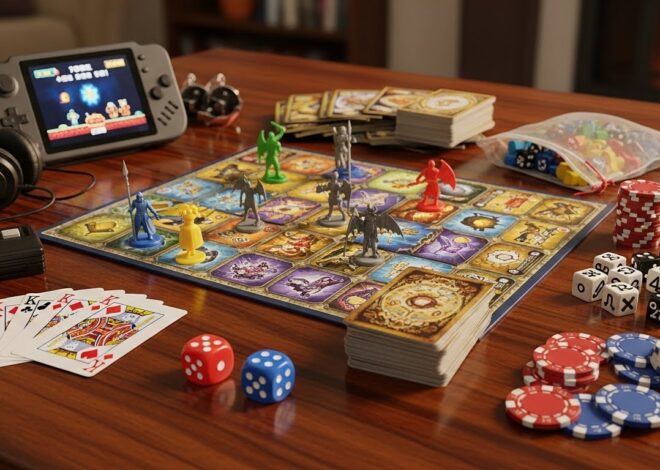
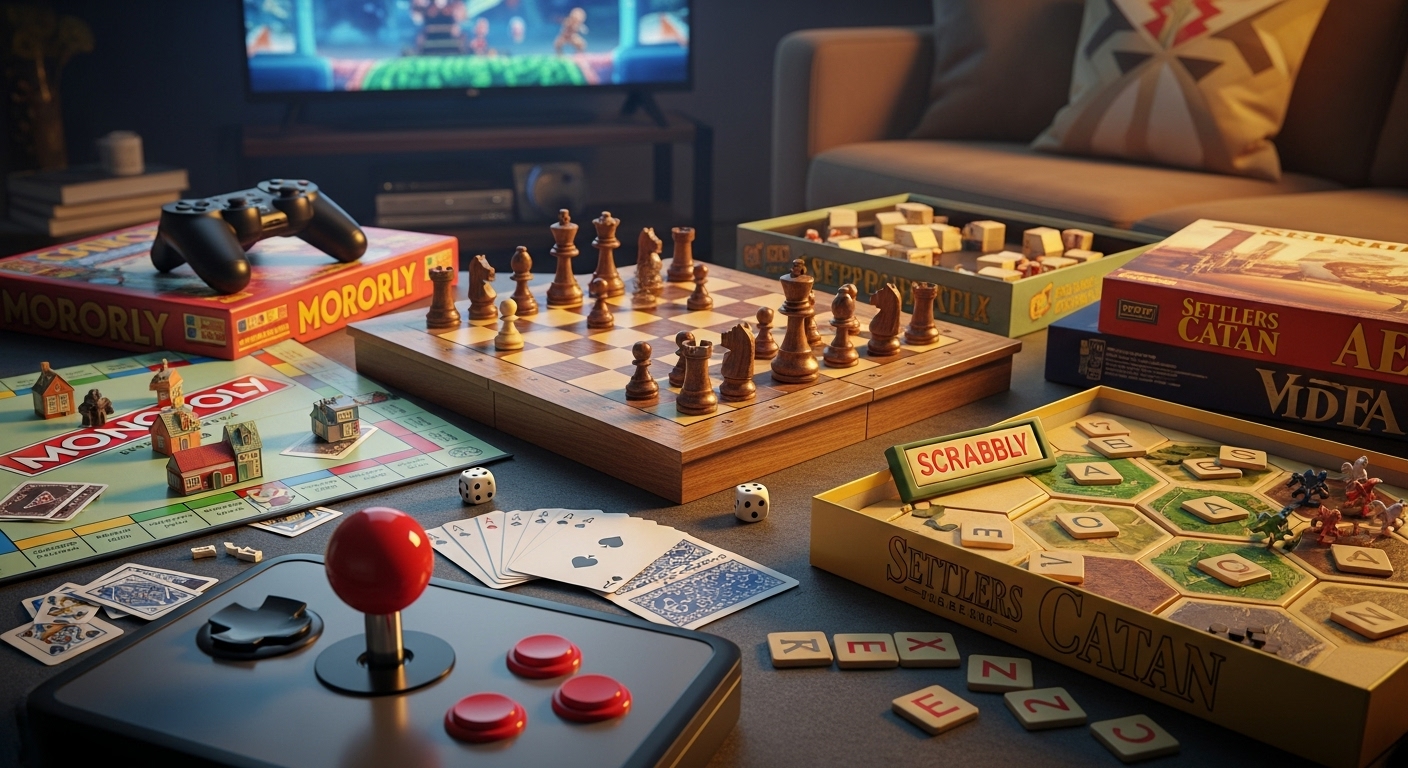
The modern era of gaming began in the 19th and 20th centuries with the creation of board and card games that brought families and friends together. Titles like Monopoly, Scrabble, and Chess became cultural icons, teaching players about money management, vocabulary, and strategy. These games offered mental stimulation while also promoting communication and cooperation. The invention of electronic entertainment in the mid-20th century transformed gaming forever, paving the way for video games that introduced new forms of interactivity and storytelling.
The Rise of Video Games: From Arcades to Living Rooms
The 1970s and 1980s marked the birth of video gaming as we know it. Arcades became social hubs where young people gathered to play classics like Space Invaders and Pac-Man. Home consoles soon followed, bringing the gaming experience into living rooms around the world. Companies like Nintendo and Sega revolutionized entertainment by creating beloved characters such as Mario and Sonic. These early games, while simple in design, introduced the concept of player control and progress—a major step toward the immersive worlds we enjoy today.
The Golden Age of Consoles and PCs
As technology advanced, so did the complexity of games. The 1990s and early 2000s are often referred to as the golden age of gaming. This era gave birth to 3D graphics, open-world exploration, and cinematic storytelling. Console wars between giants like Sony, Microsoft, and Nintendo fueled innovation and competition. Games like The Legend of Zelda, Final Fantasy, and Grand Theft Auto showed how gaming could rival films in emotional depth and artistic expression. Meanwhile, PC gaming grew in popularity, offering players unmatched customization and access to online multiplayer experiences.
The Emergence of Online and Multiplayer Worlds
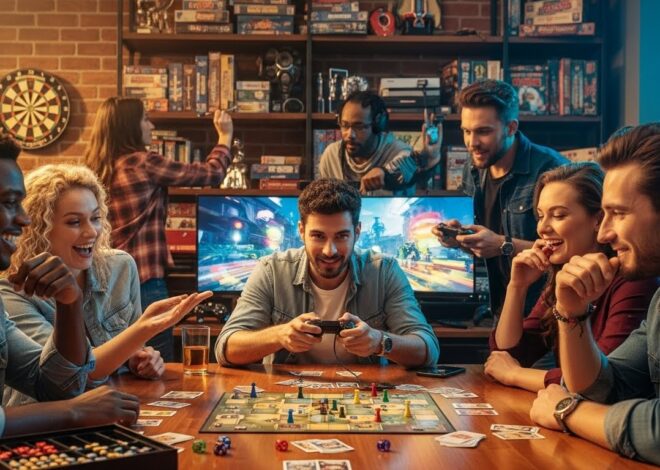
One of the most transformative developments in gaming has been the rise of online play. The ability to connect with others around the world changed gaming from an individual activity into a shared experience. Massively multiplayer online games such as World of Warcraft and Runescape created entire digital worlds where players could collaborate, compete, and build communities. Online gaming also gave rise to social dynamics that mirror real life—teamwork, leadership, and communication became essential skills. Today, millions of players log in daily to join virtual worlds that never sleep.
Mobile Gaming: The Era of Accessibility
The introduction of smartphones brought gaming to an entirely new audience. Mobile games became a global sensation, accessible to anyone with a phone and an internet connection. Simple titles like Angry Birds, Temple Run, and Candy Crush reached millions of players across all age groups. Mobile gaming redefined what it means to be a gamer. It blurred the lines between casual and dedicated play, proving that games could be enjoyed anywhere and by anyone. This accessibility transformed gaming into the most popular form of entertainment on the planet.
The Art of Game Design: Creativity Meets Technology
Game design is where imagination and engineering meet. Developers use creativity, storytelling, and technology to craft interactive experiences that engage players on multiple levels. The process involves more than just coding or graphics—it’s about creating a world that feels alive and meaningful. Every element, from the soundtrack to the dialogue, contributes to immersion. Some games are praised for their beauty and narrative depth, while others for their mechanical precision or innovative gameplay. In essence, game design is a modern art form, one that invites players to co-create through their actions and decisions.
The Psychological Benefits of Gaming
Contrary to outdated stereotypes, gaming offers a variety of mental and emotional benefits. Studies show that playing games can enhance problem-solving skills, memory, and hand-eye coordination. Strategy games encourage logical thinking, while simulation and role-playing games improve decision-making and empathy. Cooperative gaming fosters teamwork and communication, while solo play offers stress relief and relaxation. For many people, games are not an escape from reality but a way to recharge their minds and engage their creativity.
The Rise of Esports: Gaming as a Global Competition
Esports has turned gaming into a professional sport with millions of viewers and enormous prize pools. Competitive games like League of Legends, Dota 2, and Counter-Strike attract skilled players who dedicate years to mastering their craft. These events are streamed to audiences worldwide, often filling entire stadiums with cheering fans. Esports has redefined what it means to be an athlete, emphasizing mental agility, precision, and strategy. It has also created new career opportunities—from players and coaches to commentators and event organizers.
Gaming and Education: Learning Through Play
The use of games in education has grown rapidly in recent years. Teachers and researchers have recognized the potential of games to make learning interactive and engaging. Educational games teach subjects like math, science, and history through play, making lessons more memorable. Even complex simulations like city-building or business management games help players develop critical thinking and planning skills. This approach, known as gamification, extends beyond classrooms into workplaces, where game mechanics are used to improve productivity and motivation.
The Social Impact of Games
Games are more than just entertainment—they are cultural touchstones that reflect and shape society. Many modern games address important themes such as morality, identity, and social justice. They encourage players to think critically about their choices and the world around them. Online communities formed around games have also become social lifelines for people who seek connection and belonging. For some, gaming is not just a hobby but a way to build friendships, share creativity, and find support in a global digital family.
Challenges and Controversies in the Gaming World
Despite its many positives, gaming faces challenges that must be addressed responsibly. Issues like online toxicity, addiction, and exploitative monetization have raised concerns among players and parents alike. Developers and regulators are working to create safer environments through moderation and ethical design. Representation in gaming is another key issue, as the industry strives to reflect diverse voices and perspectives. Addressing these challenges will help ensure that gaming remains inclusive, enjoyable, and healthy for everyone.
The Future of Gaming: Where Innovation Meets Imagination
The future of gaming is filled with limitless potential. Technologies like virtual reality, augmented reality, and artificial intelligence are pushing boundaries further than ever before. Virtual reality allows players to step into breathtakingly realistic worlds, while AI-driven storytelling creates dynamic narratives that adapt to player choices. Cloud gaming promises to make high-quality games accessible without expensive hardware, and the concept of the metaverse hints at an interconnected digital universe where gaming, work, and social interaction blend seamlessly.
Games as a Reflection of Humanity
At its core, gaming is a reflection of human creativity and desire for exploration. Each generation of games mirrors the dreams and values of its time. From simple puzzles that test our logic to epic adventures that explore the meaning of heroism, games give us a way to express ourselves, challenge our limits, and experience stories we could never live in reality. They represent the timeless spirit of play that defines us as humans—a drive to learn, compete, and imagine.
Conclusion: The Endless Journey of Play
Games have transcended their role as mere entertainment to become an essential part of modern life. They shape how we learn, communicate, and connect with one another. They inspire creativity, strengthen communities, and bridge cultural divides. Whether it’s a child learning teamwork through a simple game, or a professional gamer competing on a global stage, the power of play continues to influence the world in profound ways. As technology evolves, so too will the nature of games—but the joy, wonder, and connection they bring will always remain. In every click, move, and moment of discovery, gaming reminds us that play is not just something we do—it’s part of who we are.