The Gaming Universe: How Games Are Shaping Entertainment and Culture
The Evolution of Gaming
Gaming has come a long way from its humble beginnings as a form of entertainment on bulky computers and arcades. The history of games traces back to simple board games and early video games like Pong, which paved the way for interactive entertainment. Over the decades, technological advancements have transformed games into complex, immersive experiences enjoyed by millions worldwide.
The evolution of gaming has been driven by hardware innovation, software development, and cultural trends. From pixelated characters to lifelike graphics and virtual reality worlds, games have consistently pushed the boundaries of what is possible. Today, gaming is not just a pastime—it is an art form, a competitive sport, and a major part of global culture.
The Rise of Digital Gaming
The shift from physical gaming consoles to digital platforms has redefined the industry. PCs, consoles, and mobile devices now provide access to a diverse range of games, including single-player narratives, multiplayer experiences, and online communities. Digital distribution platforms have made games more accessible, eliminating the need for physical copies and allowing for instant updates and expansions.
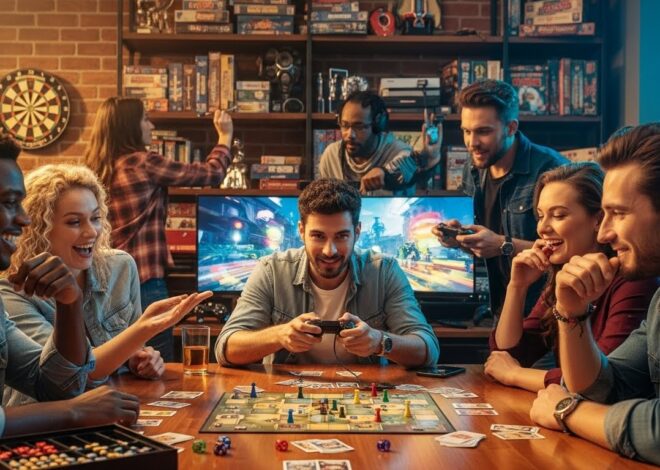
Online connectivity has also transformed gaming from a solitary activity into a social experience. Players can compete or collaborate with others around the world, forming communities that transcend geographic boundaries. Digital gaming has democratized entertainment, offering opportunities for both casual players and professional gamers to thrive.
Genres That Define Gaming
The gaming industry is diverse, with genres catering to different tastes and playstyles. Action and adventure games offer thrilling challenges and immersive narratives. Role-playing games (RPGs) allow players to develop characters and explore rich, interactive worlds. Strategy games test critical thinking and planning skills, while simulation games replicate real-world experiences in virtual environments.
Multiplayer online battle arena (MOBA) games, battle royale titles, and esports-oriented games have created competitive platforms that attract millions of viewers and players. Each genre serves a unique purpose, from storytelling and exploration to competition and social interaction, highlighting the versatility and cultural significance of gaming.
Mobile Gaming: The Game-Changer
Mobile gaming has revolutionized how people play games. Smartphones and tablets enable access to games anytime, anywhere, making gaming a portable and convenient experience. Mobile games range from casual titles that can be played in minutes to complex strategy and role-playing games that require hours of commitment.
The accessibility of mobile gaming has broadened the player base, introducing gaming to demographics that were previously less engaged. In-app purchases, rewards, and social features have created a dynamic ecosystem where players can customize experiences, interact with friends, and compete globally. Mobile gaming has proven that innovation and accessibility can redefine an entire industry.
Esports and Competitive Gaming
Esports has transformed gaming from a hobby into a global phenomenon. Competitive gaming involves professional players, organized teams, and tournaments with significant prize pools. Titles such as League of Legends, Dota 2, and Counter-Strike have become central to the esports ecosystem, attracting millions of fans worldwide.
The rise of streaming platforms has amplified the reach of esports. Fans can watch live matches, interact with players, and participate in communities, creating a culture that blends entertainment, competition, and social engagement. Esports is not just about winning—it represents skill, strategy, and teamwork, elevating gaming to the level of professional sports.
Storytelling in Games
Modern games are powerful storytelling mediums. Narrative-driven games provide immersive experiences that rival movies and literature in depth and complexity. Developers create worlds with rich lore, compelling characters, and emotional arcs, allowing players to engage with stories interactively.
Games like The Last of Us, Red Dead Redemption, and The Witcher series demonstrate how storytelling can elevate gameplay. Players influence outcomes, make choices that affect the narrative, and explore environments that respond dynamically to their actions. This interactivity distinguishes games as a unique form of narrative art, where engagement is active rather than passive.
Virtual Reality and Immersive Experiences
Virtual reality (VR) and augmented reality (AR) are pushing gaming into new dimensions. VR immerses players in fully digital worlds, creating experiences that feel tangible and interactive. AR overlays digital elements onto the real world, blending reality with virtual content.
These technologies enhance immersion, making games more engaging and experiential. VR and AR have applications beyond entertainment, including training simulations, educational tools, and therapeutic experiences. As technology becomes more affordable and accessible, immersive gaming will continue to redefine how players interact with digital environments.
The Social Impact of Gaming
Gaming is not just entertainment—it has significant social and cultural impact. Online games foster communities where players collaborate, compete, and share experiences. Social features like voice chat, guilds, and multiplayer modes strengthen connections, providing a sense of belonging.
Games also influence popular culture, inspiring music, fashion, art, and media. Iconic characters, stories, and worlds extend beyond games into movies, merchandise, and fan-created content. Gaming has become a cultural force that shapes identity, creativity, and social interaction in profound ways.
Educational and Cognitive Benefits
While gaming is often seen as purely recreational, research highlights cognitive and educational benefits. Strategy and puzzle games enhance problem-solving, critical thinking, and decision-making skills. Multiplayer and team-based games develop communication, leadership, and collaboration abilities.
Educational games combine learning with play, making subjects like history, science, and language engaging and interactive. Gamification in education leverages game mechanics to motivate students, providing rewards, challenges, and feedback that encourage learning. Gaming, when applied thoughtfully, can be a powerful tool for personal growth and skill development.
Technology Driving Innovation in Gaming
Technological advancements are constantly shaping gaming experiences. High-performance graphics, realistic physics engines, and artificial intelligence make games more immersive and responsive. Cloud gaming platforms allow players to stream games without powerful hardware, expanding access to high-quality experiences.
AI enhances gameplay by creating adaptive challenges, intelligent NPCs, and dynamic narratives. Procedural generation enables limitless game worlds, offering players unique experiences every time. Technology ensures that gaming continues to evolve, offering richer, more engaging, and more accessible entertainment.
Gaming and Mental Health
Gaming can have both positive and negative effects on mental health. On the positive side, games provide stress relief, entertainment, and social interaction. Cooperative games promote teamwork and empathy, while competitive games foster resilience and strategic thinking.
However, excessive gaming can lead to issues such as addiction, social isolation, and disrupted sleep patterns. Balancing gameplay with other aspects of life is essential. Developers and communities increasingly promote healthy gaming habits, including breaks, parental controls, and moderation tools. Understanding and managing gaming’s impact on mental health is key to sustaining its benefits.
The Future of Gaming
The future of gaming promises innovation, accessibility, and creativity. Emerging technologies such as cloud gaming, AI, VR, AR, and haptic feedback will redefine immersion and interactivity. Cross-platform play will allow seamless experiences across devices, while artificial intelligence will personalize gameplay to individual preferences.
The industry is also expanding its reach into education, healthcare, and professional training, showing that games can be both entertaining and practical. Social and cultural trends will continue to shape gaming communities, while technological advancements will push the boundaries of imagination. The future of gaming is limitless, offering opportunities for both players and creators to explore new frontiers.
Conclusion: Gaming as a Cultural and Technological Force
Games have evolved from simple entertainment into a multifaceted phenomenon that blends art, technology, and culture. They provide immersive experiences, foster social connections, and offer cognitive and educational benefits. Competitive gaming, esports, and virtual reality are redefining the boundaries of what games can achieve.
Gaming is no longer just a pastime—it is a cultural and technological force shaping society. Its influence is seen in entertainment, education, mental health, and community building. As technology continues to advance, games will become even more interactive, inclusive, and transformative, solidifying their place as a central pillar of modern culture.