Worlds of Play: How Games Shape Imagination, Skill, and Modern Culture
Introduction to the Universe of Games
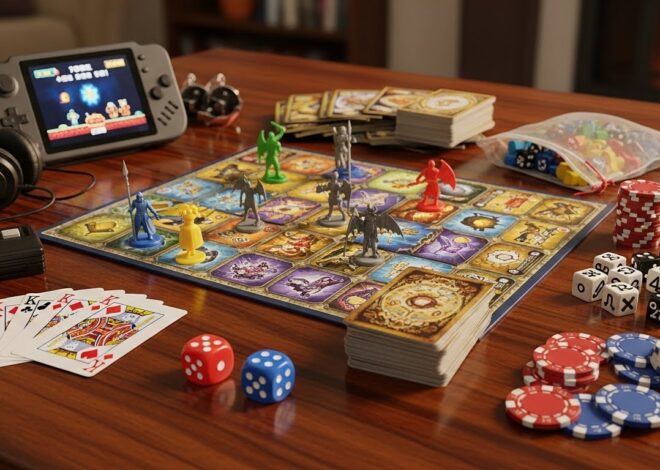
Games have been a part of human life for thousands of years, serving as sources of entertainment, learning, and social connection. From classic board games to modern digital experiences, the world of games continues to evolve, expand, and influence our lives. Today, gaming is not just a pastime reserved for children. It is a diverse cultural phenomenon enjoyed by all ages, backgrounds, and communities. The rise of digital technology has turned gaming into one of the most influential entertainment industries in the world. This blog explores the evolution of games, their impact on society, and the reasons why they continue to shape our creativity, skills, and global culture.
The Historical Journey of Games
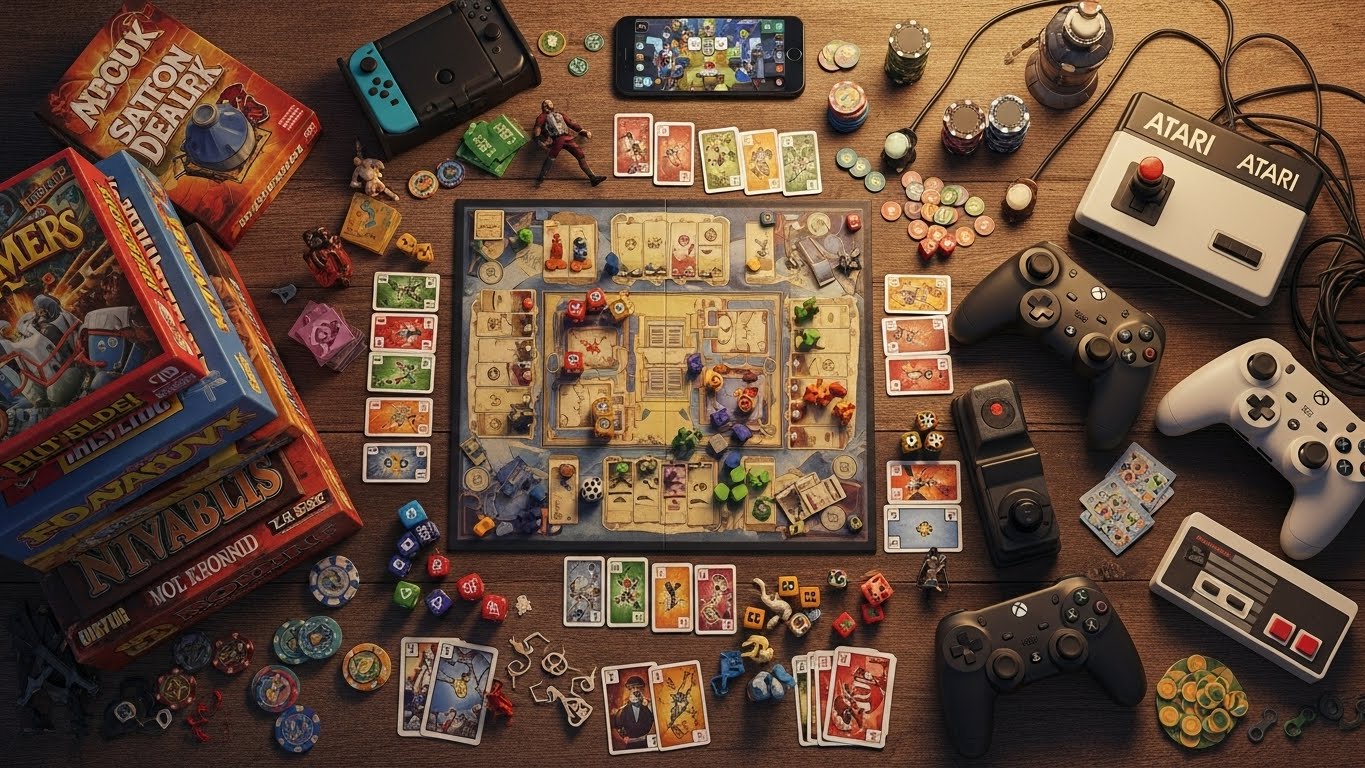
Games have ancient origins. Early civilizations created strategic board games that required skill, calculation, and intuition. These traditional games were more than entertainment; they reflected cultural stories, rituals, and human values. As time progressed, sports games became popular physical activities, encouraging teamwork, discipline, and stamina. The twentieth century introduced a revolutionary shift with the invention of video games. Simple designs quickly progressed into complex digital worlds filled with interactive storytelling, artificial intelligence, and high-quality graphics. The journey from ancient stones and wooden boards to sophisticated virtual landscapes shows how deeply embedded games are in human development.
The Rise of Digital Games
The digital era transformed the nature of gaming more than any other period in history. The creation of early home consoles marked a turning point, allowing millions to enjoy digital entertainment from their living rooms. Arcades brought competitive play into communities, creating social hubs for players to test their skills. As computers became more accessible, they opened the door to endless creativity and gameplay possibilities. Today, digital games span countless genres, styles, and platforms. High-speed internet turned gaming into a connected global community where players compete, collaborate, and share their experiences. Digital games are no longer limited by physical restrictions, making them one of the most dynamic forms of entertainment ever created.
Genres That Define the Gaming Landscape
Games come in a wide range of genres, each with unique styles, mechanics, and experiences. Action games focus on fast reflexes and quick decision-making. Adventure games emphasize exploration, puzzles, and storytelling. Strategy games require planning, resource management, and tactical thinking. Simulation games recreate real-world experiences, from flying airplanes to running virtual farms. Sports games allow fans to enjoy digital versions of their favorite athletic competitions. Role-playing games let players build characters, complete quests, and enter fully realized fantasy worlds. Puzzle games challenge the mind with logic and mathematics, while casual games offer simple short-term fun. This variety ensures that there is a game for every taste and interest.
How Games Enhance Cognitive Skills
Games are more than entertainment; they are powerful tools for mental development. Many digital and traditional games strengthen cognitive abilities such as problem-solving, critical thinking, and memory. Puzzle games improve concentration and pattern recognition. Strategy games train players to anticipate outcomes and make informed decisions. Role-playing games enhance storytelling and reading comprehension. Fast-paced action games sharpen hand-eye coordination and reflexes. By engaging the mind in new and challenging ways, games support lifelong learning and mental agility. This cognitive value is one of the key reasons why games are increasingly used in schools and educational settings.
The Social Power of Games
One of the most remarkable aspects of games is their ability to bring people together. Multiplayer and cooperative games allow friends, family members, and even strangers to interact, collaborate, and compete. Online communities form around shared passions for specific games, creating friendships that span continents. Board games and party games strengthen social bonds and communication. Team-based digital games help players develop leadership, teamwork, and conflict resolution skills. Games serve as universal language, connecting people across cultural backgrounds and age groups. They create shared memories and foster relationships in both digital and physical spaces.
The Artistry and Creativity Behind Games
Game development is a form of art that blends storytelling, music, visual design, and technology. Designers craft imaginative worlds, compelling characters, and engaging narratives. Artists create breathtaking scenery, animations, and visual effects. Musicians compose soundtracks that enhance emotional depth. Writers develop plots filled with adventure, mystery, or humor. Programmers bring these elements to life through code and mechanics that shape the player’s experience. The combination of creativity and technology makes games one of the most artistic mediums of modern entertainment. Each game is a unique artistic expression that invites players to participate and shape the story through their actions.
The Emotional Impact of Games
Games have the remarkable ability to evoke a wide range of emotions. They can make players laugh, cry, feel fear, or experience triumph. Story-driven games offer narratives that rival books and films in emotional depth. Victory in challenging games brings a powerful sense of accomplishment. Cooperative gameplay creates moments of trust and teamwork. Games provide safe environments to explore complex emotions and scenarios. They can offer comfort, escape, and joy during difficult times. This emotional impact helps explain why gaming remains such a beloved and meaningful part of many people’s lives.
Gaming as a Form of Stress Relief
In a fast-paced world filled with responsibilities and daily challenges, games offer an escape that helps individuals relax and decompress. Many people turn to their favorite games after long days to enjoy moments of calm, excitement, or distraction. Casual games offer quick, satisfying sessions that help clear the mind. Adventure and role-playing games transport players to new worlds where they can temporarily forget real-life pressures. Competitive games provide adrenaline and focus, shifting attention away from stress. This therapeutic value of games is one of the key reasons why gaming continues to grow as a universal leisure activity.
The Influence of Games on Modern Culture
Games have evolved into a major cultural force influencing fashion, media, music, and social identity. Characters and symbols from popular games appear in movies, television, clothing, and merchandising. Gaming terms and phrases have become part of everyday conversations. Many digital games inspire fan art, cosplay, and community creativity. The rise of competitive gaming has brought skilled players into the spotlight, turning them into cultural icons. Gaming has become a central part of digital youth culture, shaping trends, behaviors, and online communities. This cultural influence demonstrates the powerful role games play in shaping modern identity.
The Expansion of Mobile Gaming
Mobile gaming has become one of the biggest sectors in the gaming industry. With smartphones available almost everywhere, millions of people can access games anytime and anywhere. Mobile games range from simple puzzles to highly detailed adventures and strategy titles. They provide entertainment during travel, breaks, or spare moments. Mobile gaming appeals to players of all ages because of its accessibility and variety. The growth of mobile technology continues to make gaming more convenient, interactive, and widely enjoyed. This rapid expansion has reshaped the industry and introduced gaming to audiences that might never have played on traditional consoles or computers.
The Future of Games and Emerging Technologies
The future of gaming is full of innovation and potential. Virtual reality creates immersive experiences that bring players inside the game world. Augmented reality blends digital elements with physical environments, offering new kinds of interactive challenges. Cloud gaming allows players to enjoy high-quality games without needing powerful devices. Artificial intelligence is expanding the possibilities for smarter game characters, adaptive storylines, and personalized gameplay. As these technologies advance, games will become even more interactive, realistic, and creative. The future of games promises new worlds, new experiences, and endless opportunities for entertainment and learning.
The Role of Games in Education and Learning
Games are increasingly used as learning tools in classrooms and training programs. Educational games help students understand complex subjects through interactive challenges. Simulations allow learners to practice real-world skills in safe, controlled environments. Language learning games improve vocabulary and pronunciation. Mathematics and science games make difficult concepts easier to grasp. Games that encourage creativity support artistic and imaginative skills. This educational value demonstrates how games can inspire curiosity, motivation, and deeper understanding across all ages.
Conclusion: The Lasting Legacy of Games
Games have evolved into one of the most powerful and influential forms of entertainment in human history. They entertain, educate, connect, and inspire millions worldwide. From ancient board games to advanced digital adventures, they shape imagination, strengthen skills, and create lifelong memories. Games continue to evolve alongside technology and culture, offering endless possibilities for creativity and innovation. As the world moves further into the digital age, games will remain a vital part of human expression, bringing joy, challenge, and connection to generations to come.