The Timeless Magic of Play: How Games Shape Our Imagination, Skills, and Stories
Introduction
Games have been part of human life for thousands of years. From the earliest board games carved on stone tablets to the vast virtual worlds of today, games continue to inspire, entertain, and challenge us. They are more than just pastimes. They are miniature worlds where imagination thrives, strategy unfolds, and players learn to navigate victory and defeat. In this blog, we will explore the incredible power of games, why they remain timeless, and how they continue to evolve with each generation.
The Ancient Roots of Gaming
Long before digital screens existed, people played games to socialize, sharpen their wits, and pass down cultural values. Ancient civilizations like Egypt, Mesopotamia, China, and India had their own unique forms of board and strategy games. These games often symbolized life, fate, and cosmic beliefs.
The fact that many of these ancient games are still played today shows the universal pull of structured play. Games have always been a reflection of human creativity and curiosity. They uncover how people thought, interacted, and competed even thousands of years ago.
The Evolution into the Modern Age
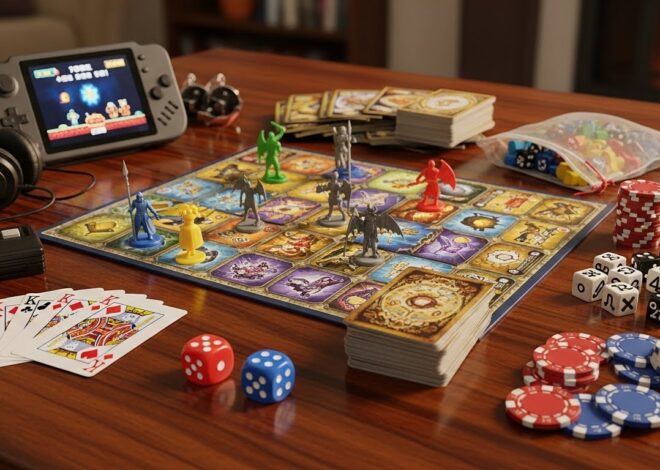
Fast forward to the modern world, and the concept of gaming has transformed dramatically. Traditional games are now joined by card games, tabletop role-playing games, arcade machines, and digital platforms. What once required a physical board now exists in pixels and code. Yet the core ingredients remain the same: challenge, reward, and the thrill of possibility.
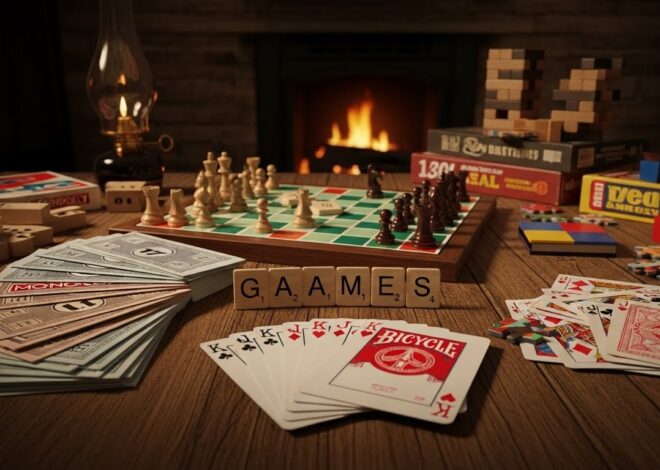
This evolution didn’t erase older forms of play. Instead, it created layers of gaming cultures. Families still gather for board game nights, children still draw outdoor game courts with chalk, and players around the world gather online to explore digital universes. Each form of play offers something different while contributing to the grand tapestry of what we call “gaming.”
Games as a Mirror of Human Imagination
One of the most powerful functions of games lies in how they stimulate imagination. When you enter a game, you step into a different world—a world governed by its own rules, shaped by its own stories, and brought to life by your decisions. Games are, in many ways, interactive stories where the player becomes a co-author.
Whether you are navigating a fantasy realm with dragons or solving a puzzle in a quiet countryside, games provide a place where the mind can roam freely. They challenge you to think differently, adapt quickly, and create strategies that mirror your personality. Because of this, games often reveal more about ourselves than we realize.
The Social Power of Games
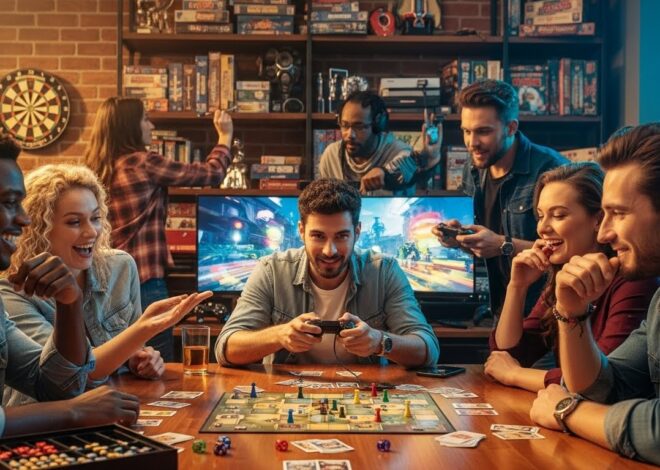
One of the most beautiful aspects of gaming is its ability to connect people. Humans naturally enjoy shared experiences, and games are built around this idea. A simple game can strengthen friendships, bridge cultural gaps, and bring families closer.
Multiplayer games—whether played across a table or across continents—create moments of laughter, competition, and teamwork. Even in silence, the shared goal of winning or completing a challenge forms a bond. In modern digital spaces, players collaborate across borders, proving that play can unite people in ways no other activity can.
The Skills We Gain from Play
People often think games are just for fun, but they offer tremendous educational and cognitive benefits. Every game, from the simplest to the most complex, teaches something valuable.
1. Strategy and Planning
Many games require players to think several steps ahead. This strengthens problem-solving abilities and encourages long-term thinking.
2. Creativity and Innovation
Games with open worlds or building systems let players experiment, imagine, and design without limits.
3. Teamwork and Communication
Multiplayer games often demand collaboration, clear communication, and trust—skills useful in real life.
4. Resilience and Patience
Losing is a part of gaming. And with every loss comes the opportunity to try again, learning resilience along the way.
5. Decision-Making Under Pressure
Fast-paced games sharpen reflexes, quick thinking, and the ability to make choices in high-pressure situations.
These skills translate into everyday challenges, proving that play is a form of learning that feels effortless.
Digital Games: A Universe Within Screens
Today’s digital games offer experiences that would have been impossible to imagine decades ago. Players can explore massive galaxies, build entire cities, solve mysteries, or compete in tournaments that draw millions of spectators.
What makes digital games truly unique is their blend of storytelling, technology, and art. They are living worlds that evolve continually. Developers craft intricate plots, musicians create immersive soundscapes, and artists design breathtaking landscapes—all combining to produce a truly engaging experience.
Digital games also offer a level of interactivity unmatched by any other entertainment form. Unlike movies or books, the player controls the journey. Choices matter, actions shape outcomes, and every playthrough is different.
The Growing Culture Around Gaming
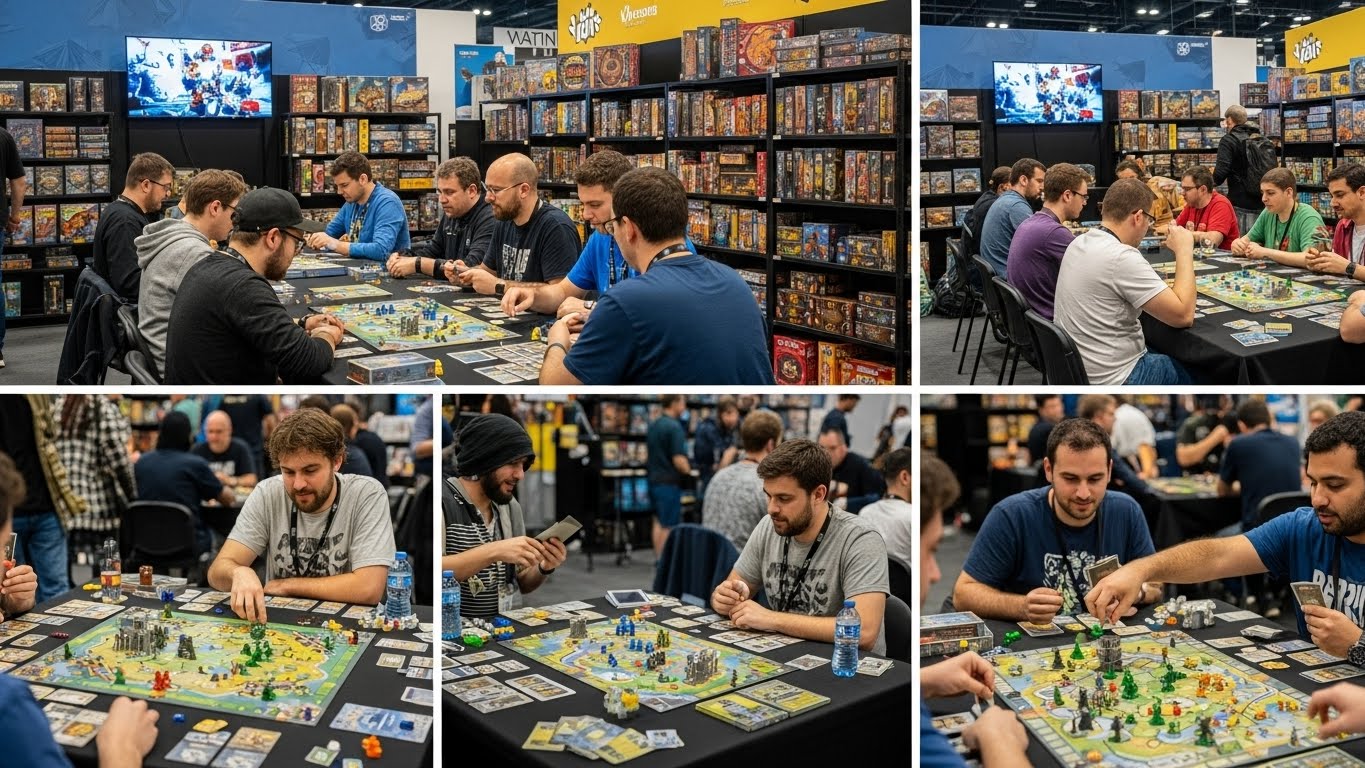
Gaming has grown beyond the act of playing itself. It has become a culture, a lifestyle, and even a profession. People create communities, fan art, videos, tournaments, and events centered around their favorite games.
Modern gamers are not just players—they are creators, commentators, and contributors to a vibrant global ecosystem. This culture has given rise to new careers and fields, such as competitive esports, game development, content creation, narrative design, and streaming.
The cultural impact of games continues to expand as new technologies emerge, offering players more ways to engage and express themselves.
Games for Wellness and Mental Health
Another powerful dimension of gaming is its positive impact on mental health. For many people, games offer a safe space to unwind, reduce stress, and find comfort. Immersive games provide a temporary escape from daily pressures, giving the mind room to breathe and reset.
Some games are designed specifically to promote mindfulness, emotional regulation, or problem-solving therapy. Even regular games can help players feel a sense of accomplishment, belonging, and joy. When enjoyed responsibly, gaming becomes a powerful tool for maintaining well-being.
The Future of Gaming
The future promises even more exciting advancements. With new technologies like artificial intelligence, virtual reality, and augmented reality, games will likely become more immersive and interactive than ever before. Players may step into worlds that feel indistinguishable from reality, or collaborate with intelligent characters who respond in dynamic, lifelike ways.
At the same time, traditional forms of play will continue to hold their charm. Simple games will always have a place in our hearts, reminding us that the essence of gaming lies not in technology, but in creativity, challenge, and shared joy.
Why Games Will Always Matter
Games endure because they tap into something universal—our desire to explore, compete, imagine, and connect. They give us adventures without leaving our homes, teach us lessons without lecturing, and offer worlds without limits. Whether we are children playing outdoors, adults solving puzzles, or elders enjoying quiet board games, the spirit of play lives in all of us.
Conclusion
Games are more than entertainment. They are cultural artifacts, learning tools, social bridges, creative outlets, and emotional companions. They evolve, adapt, and grow, yet the heart of gaming remains beautifully simple: the joy of play. As long as humans continue to dream, games will continue to thrive. They will shape new generations, inspire new stories, and remind us that within every challenge lies a spark of wonder waiting to be ignited.