Beyond the Screen: How Games Shape Play, Purpose, and Passion
Introduction
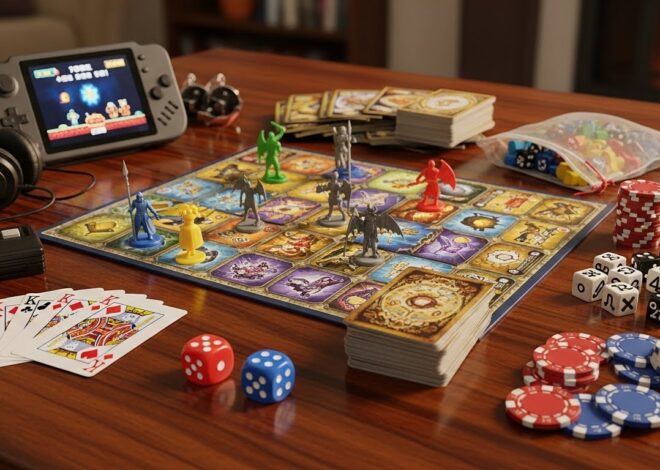
Games have always been a fundamental part of human life. From childhood playground activities to complex digital worlds, games satisfy our need for challenge, creativity, and connection. In today’s world, games are no longer limited to physical boards or outdoor spaces. They exist on screens, in virtual environments, and across global networks of players. Gaming has evolved into a powerful cultural force that influences entertainment, education, technology, and social interaction. This blog explores the world of games, tracing their journey from simple play to immersive experiences that shape how people think, learn, and connect.
The Meaning of Games in Human Life
At their core, games are structured forms of play designed to engage the mind and emotions. They encourage problem-solving, competition, cooperation, and imagination. Throughout history, games have served as tools for learning, bonding, and relaxation. Ancient civilizations used games to teach strategy, discipline, and social values, while also providing enjoyment.
Even today, games fulfill similar roles. Whether someone is playing a board game with family, a sport with friends, or a digital game online, the purpose remains the same: engagement and enjoyment through interaction. Games give people a safe space to experiment, fail, learn, and succeed.
The Early Evolution of Games
The earliest games were simple and physical, often using stones, sticks, or drawings in the dirt. Board games emerged thousands of years ago, reflecting cultural beliefs and strategic thinking. As societies advanced, games became more refined, with clearer rules and competitive structures.
The introduction of mechanical and electronic systems marked a major shift. Early electronic games were basic, but they introduced a new idea: interactive entertainment powered by technology. These early innovations paved the way for the modern gaming industry, showing that games could exist beyond physical boundaries.
The Birth of Digital Gaming
Digital gaming began with simple visuals and limited mechanics, yet it captured global attention. Early arcade games and home systems introduced interactive entertainment to a wider audience. These games were easy to learn but difficult to master, making them highly engaging.
As technology improved, digital games became more complex. Graphics evolved, sound design improved, and gameplay mechanics became deeper. Games were no longer just about scoring points; they started telling stories, creating characters, and building entire worlds.
Genres and Diversity in Games
One of the most fascinating aspects of games is their diversity. There are games for every interest, skill level, and age group. Action games test reflexes and timing, while strategy games challenge planning and critical thinking. Role-playing games allow players to step into fictional identities and explore detailed narratives. Puzzle games stimulate logic and creativity, and simulation games replicate real-world systems and environments.
This wide variety ensures that gaming is inclusive. Whether someone enjoys fast-paced competition or slow, thoughtful exploration, there is a game designed to meet that preference. The diversity of genres is a key reason why gaming continues to grow worldwide.
Storytelling Through Games
Games have become a powerful storytelling medium. Unlike movies or books, games allow players to actively participate in the narrative. Choices made by the player can influence the outcome of the story, creating a personal connection to the experience.
Modern games explore complex themes such as identity, morality, loss, and hope. Characters are written with emotional depth, and worlds are crafted with attention to detail. This interactive storytelling allows players to experience stories rather than simply observe them, making games a unique and impactful art form.
Social Connection and Multiplayer Gaming
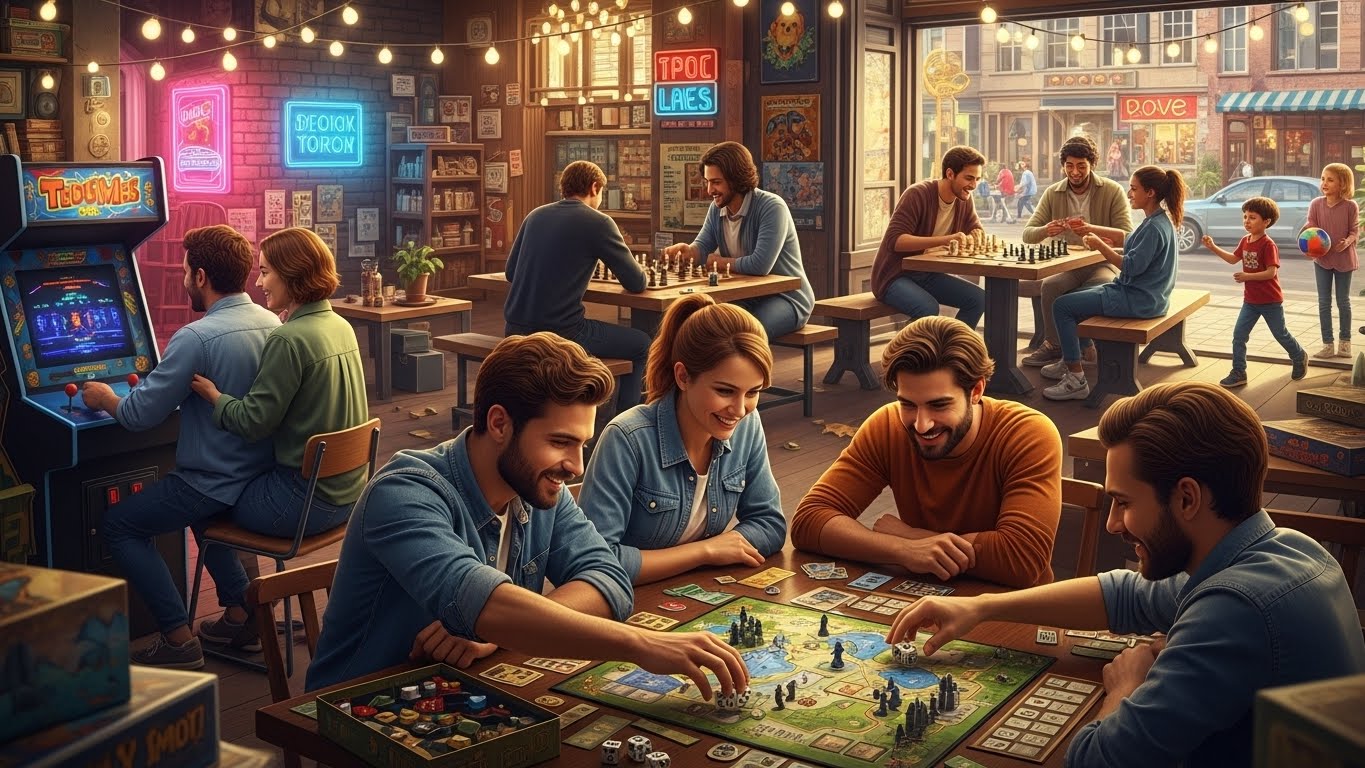
Gaming is often misunderstood as a solitary activity, but many games are deeply social. Multiplayer games allow players to cooperate, compete, and communicate with others across the world. Online gaming communities form friendships, rivalries, and shared memories that can last for years.
Team-based games encourage communication, leadership, and collaboration. Even casual multiplayer games create moments of laughter and connection. For many people, games are a primary way to stay connected with friends and meet new people who share similar interests.
Games as a Learning Tool
Games are increasingly recognized for their educational value. They promote critical thinking, problem-solving, and adaptability. Strategy games require players to analyze situations and plan ahead, while simulation games teach resource management and decision-making.
Educational games combine learning with entertainment, making complex subjects more accessible and engaging. Even non-educational games can develop skills such as hand-eye coordination, memory, and spatial awareness. This makes games valuable tools for both formal education and personal development.
The Psychological Appeal of Games
Games are designed to motivate and reward players. Progress systems, challenges, and achievements create a sense of accomplishment. Overcoming difficult levels or mastering complex mechanics builds confidence and persistence.
Games also provide emotional benefits. They offer an escape from daily stress, a sense of control, and opportunities for self-expression. For many players, gaming is a way to relax, recharge, and find joy in achievable challenges.
The Business and Industry of Games
The gaming industry has grown into one of the largest entertainment sectors in the world. It includes developers, artists, writers, designers, and many other professionals. Games are created through collaboration, creativity, and technical expertise.
The industry continues to innovate, experimenting with new business models, technologies, and storytelling techniques. Independent developers play a crucial role by introducing fresh ideas and unique perspectives, while large studios push the boundaries of scale and realism.
Challenges and Responsible Gaming
Despite its many benefits, gaming also presents challenges. Excessive play can lead to unhealthy habits if not balanced with other aspects of life. Concerns about screen time, online behavior, and content appropriateness are important considerations.
Responsible gaming involves moderation, awareness, and self-control. Developers and communities are increasingly promoting positive gaming environments, encouraging respectful interaction and balanced play. When approached thoughtfully, gaming can remain a healthy and enriching activity.
The Role of Technology in Shaping Games
Technology drives the evolution of games. Advances in graphics, processing power, and artificial intelligence allow for more realistic and responsive experiences. Games now feature dynamic environments, intelligent characters, and expansive worlds that adapt to player actions.
Emerging technologies such as virtual reality and augmented reality are expanding the definition of gaming. These innovations offer immersive experiences that blur the line between the physical and digital, opening new possibilities for interaction and storytelling.
Cultural Influence of Games
Games influence culture in subtle and powerful ways. They inspire art, music, language, and fashion. Iconic characters and symbols become part of popular culture, recognized even by those who do not play games.
Gaming events and competitions bring people together, celebrating creativity and skill. Games also reflect societal values and challenges, often addressing themes relevant to the real world. This cultural impact demonstrates that games are more than entertainment; they are expressions of human creativity.
The Future of Games
The future of games is filled with potential. As technology continues to advance, games will become more immersive, accessible, and personalized. Cloud-based platforms may remove hardware limitations, allowing more people to experience high-quality games.
Artificial intelligence may create adaptive worlds that respond uniquely to each player. Games will continue to expand into education, training, and social spaces, proving their value beyond entertainment alone.
Conclusion
Games have evolved from simple forms of play into complex experiences that combine art, technology, and human connection. They entertain, educate, challenge, and inspire. Through storytelling, interaction, and innovation, games reflect the creativity and curiosity of the people who create and play them.
As gaming continues to grow and transform, its impact on culture and society will only deepen. Whether played for fun, learning, or connection, games remain a powerful and meaningful part of modern life.