The World of Games: How Play Shapes Creativity and Culture
Introduction
Games have been an essential part of human life for centuries. From ancient board games to modern video games, play has always provided entertainment, education, and social connection. Games are more than just a pastime; they are a reflection of creativity, strategy, and cultural values. They help people develop critical thinking, problem-solving skills, and social interaction.
The gaming industry today encompasses everything from mobile apps and console games to tabletop games and competitive esports. This blog explores the evolution of games, their cultural significance, the benefits they provide, technological advancements in gaming, and the future of interactive play.
The History of Games
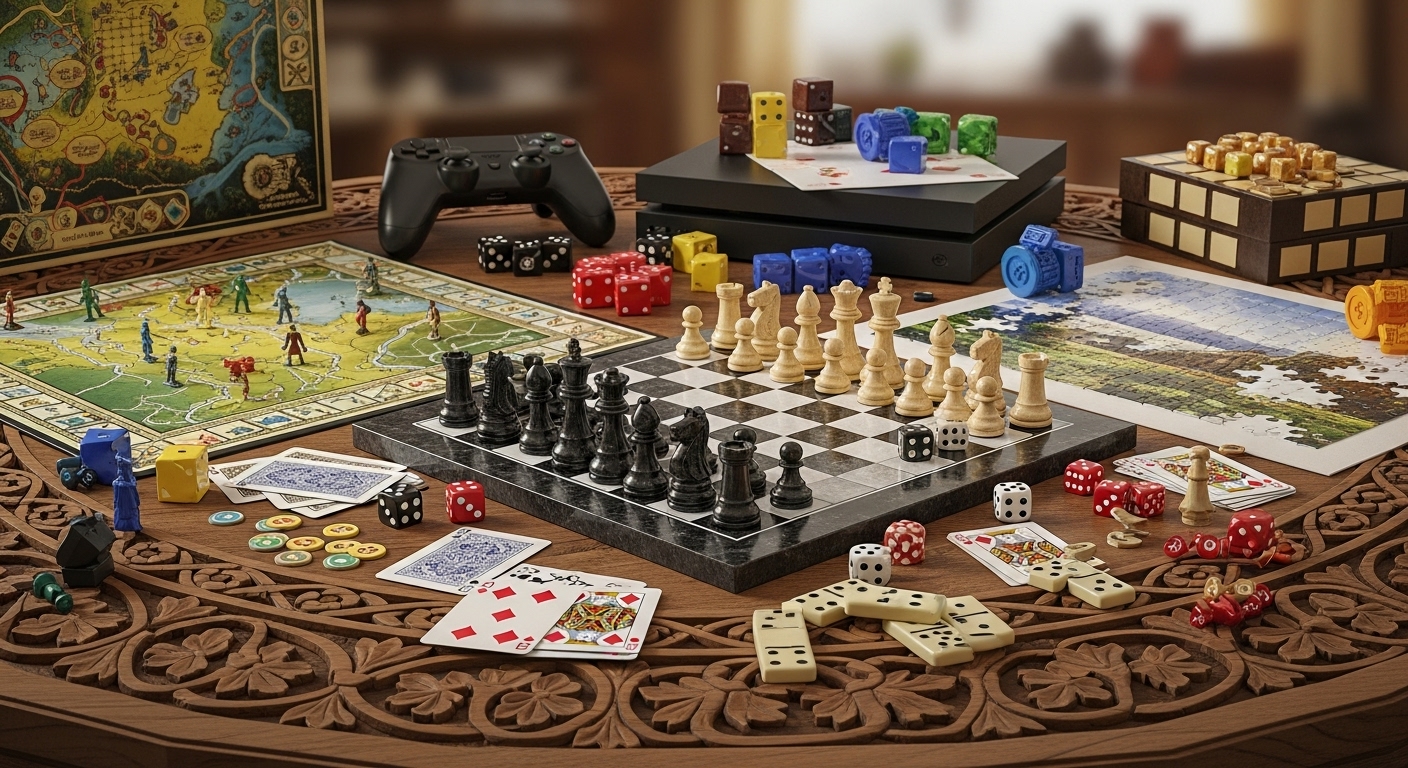
Games have existed since the dawn of civilization. Archaeologists have discovered ancient dice, boards, and pieces dating back thousands of years. Early games like Senet in Egypt, Go in China, and Mancala in Africa were not only forms of entertainment but also tools for teaching strategy, mathematics, and social skills.
The Middle Ages saw the emergence of more complex games, including chess and card games, which spread across continents and became staples of intellectual competition. In the 20th century, the development of electronic and digital games brought new possibilities. Video games revolutionized the way people interact with games, offering immersive experiences and interactive storytelling.
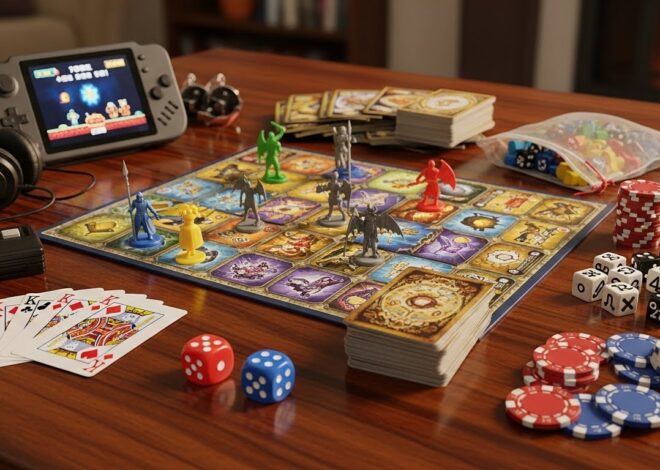
Board games, card games, and role-playing games have continued to evolve, combining tradition with innovation. Games like Dungeons and Dragons, Settlers of Catan, and Magic the Gathering have created communities that thrive on creativity, collaboration, and strategy.
Types of Games
Games come in many forms, each with its unique appeal. Board games focus on strategy, planning, and social interaction. Card games combine skill, chance, and memory, creating competitive yet enjoyable experiences. Role-playing games immerse players in fictional worlds where imagination and decision-making are essential.
Video games have become one of the most popular forms of gaming. They include genres like action, adventure, simulation, strategy, and puzzle games. Multiplayer and online games foster social connections and competition, while single-player games focus on narrative, problem-solving, and skill development. Mobile games have also expanded accessibility, allowing casual gaming on the go.
Sports and physical games emphasize coordination, teamwork, and physical fitness. Traditional games such as tag, hide-and-seek, and ball games not only entertain but also develop agility, reflexes, and social skills. The diversity of games ensures that there is something for everyone, regardless of age, interest, or ability.
Cognitive and Educational Benefits
Games are powerful tools for cognitive development. Strategy games, puzzles, and problem-solving games enhance critical thinking, memory, and analytical skills. They encourage players to plan, adapt, and make decisions under pressure. Educational games teach mathematics, language, science, and history in engaging and interactive ways.
Games also foster creativity and imagination. Role-playing games and sandbox-style video games allow players to design worlds, invent characters, and create stories. This imaginative play develops innovation and creative thinking, skills that are valuable beyond the gaming environment.
In addition, games improve focus, attention, and multitasking abilities. Fast-paced games challenge players to process information quickly and accurately, strengthening mental agility and reflexes. These skills are transferable to real-world problem-solving, academic achievement, and professional tasks.
Social and Emotional Impact
Games play a crucial role in social development. Multiplayer games and cooperative board games teach communication, teamwork, and leadership. Players learn to negotiate, collaborate, and resolve conflicts, developing interpersonal skills that extend beyond gameplay.
Emotionally, games provide stress relief, enjoyment, and a sense of achievement. Completing challenges, winning competitions, or achieving milestones boosts confidence and self-esteem. Games also offer a safe space for experimentation, allowing players to take risks and explore new strategies without real-world consequences.
Gaming communities provide social connection and belonging. Online platforms, forums, and in-person gatherings allow players to share experiences, celebrate achievements, and form lasting friendships. For many individuals, games are not just entertainment but a source of social engagement and emotional support.
The Economic and Cultural Impact of Games
The gaming industry has grown into a multi-billion-dollar global enterprise. Video games, board games, and esports generate revenue through sales, subscriptions, merchandise, and sponsorships. Professional gaming and competitive tournaments provide career opportunities for players, organizers, and content creators.
Games also influence popular culture. Iconic characters, narratives, and worlds have inspired movies, television shows, books, and fashion. Game-based storytelling shapes trends, engages audiences, and fosters creativity across multiple media platforms. Cultural events, game conventions, and competitions promote tourism, cultural exchange, and community development.
The economic impact extends to technology, software development, and entertainment sectors. Innovations in graphics, artificial intelligence, and user interface design are driven by the needs of the gaming industry, creating a ripple effect across other industries.
Technological Innovations in Gaming
Technology has transformed gaming in every aspect. Graphics and animation advancements create realistic and immersive worlds. Artificial intelligence enhances non-player characters, making gameplay more challenging and engaging. Virtual reality and augmented reality provide interactive and immersive experiences, blurring the line between the digital and physical worlds.
Cloud gaming allows players to access high-quality games without expensive hardware, expanding accessibility and convenience. Mobile devices, high-speed internet, and streaming platforms enable gaming anywhere, anytime. Wearable technology and haptic feedback create a deeper sense of presence, making games more engaging and interactive.
Artificial intelligence also plays a role in game design and player experience. AI algorithms adapt difficulty, personalize challenges, and enhance storytelling, creating experiences tailored to individual players. This fusion of technology and creativity continues to push the boundaries of what games can achieve.
Competitive Gaming and Esports
Esports has elevated gaming to a professional level, attracting global audiences and millions of dollars in prize money. Competitive games like League of Legends, Dota 2, Counter-Strike, and Fortnite host international tournaments, drawing fans from around the world. Professional players train rigorously, often dedicating hours daily to perfecting skills, strategies, and teamwork.
Esports has also created new career paths. Coaches, analysts, commentators, event organizers, and content creators contribute to the ecosystem, transforming gaming into a legitimate profession. Streaming platforms and social media amplify exposure, allowing fans to follow competitions and interact with players in real-time.
Esports fosters global communities, uniting fans across cultures and regions. It also encourages collaboration, teamwork, and sportsmanship, promoting values that extend beyond gaming itself. Competitive gaming has become a cultural and economic powerhouse, shaping the future of entertainment and interactive play.
Games in Education and Skill Development
Games are increasingly used in education and professional training. Simulation games teach problem-solving, strategy, and decision-making skills. Educational games make learning interactive and engaging, helping students understand complex concepts in mathematics, science, history, and language.
Gamification applies game principles like points, levels, and rewards to non-game contexts, enhancing motivation, engagement, and learning outcomes. This approach is used in classrooms, corporate training, and personal development programs, demonstrating the versatility of games as a tool for education and growth.
Games also improve soft skills such as communication, leadership, and adaptability. Multiplayer and team-based games provide collaborative experiences that mirror real-world challenges, preparing players for careers and life experiences.
Diversity and Inclusivity in Gaming
The gaming world is becoming increasingly inclusive. Games now feature diverse characters, storylines, and perspectives, reflecting broader cultural experiences. Female gamers, LGBTQ+ representation, and global narratives are gaining visibility, fostering inclusivity and engagement.
Accessibility in gaming ensures that people with different abilities can participate. Adaptive controllers, visual and auditory aids, and customizable gameplay options make games more inclusive. By embracing diversity, the gaming industry fosters creativity, cultural understanding, and equitable opportunities for players and developers alike.
The Future of Games
The future of games is poised to be more immersive, interactive, and integrated into daily life. Virtual reality, augmented reality, artificial intelligence, and cloud gaming will redefine how players engage with games. Personalization, adaptive challenges, and social integration will enhance experiences, creating unique interactions for every player.
Games will continue to expand into education, professional training, healthcare, and social experiences. They will remain a source of creativity, connection, and entertainment while fostering skills that are applicable in real life. The integration of technology, culture, and human imagination ensures that games will remain a dynamic and transformative force in society.
Conclusion
Games are more than just fun—they are a reflection of human creativity, culture, and intelligence. They entertain, educate, and connect people across generations and geographies. From ancient board games to modern virtual worlds, games shape how individuals think, interact, and grow.
The gaming industry is a cultural, economic, and technological powerhouse, influencing media, education, and social connections. As technology advances and communities expand, games will continue to inspire, challenge, and entertain. Beyond the screen, board, or field, games represent a universal human experience that celebrates creativity, strategy, and connection.