Beyond Play: The Ever-Evolving World of Games
Games have been an integral part of human culture for centuries. From simple board games to complex digital adventures, they provide entertainment, challenge, and a way to connect with others. In the modern era, the landscape of gaming has expanded beyond imagination, blending technology, creativity, and social interaction into immersive experiences.
The Evolution of Games
The journey of games began with traditional board games and card games, which were simple yet engaging. Over time, video games revolutionized the way we play. The introduction of consoles, computers, and mobile devices transformed games from physical spaces into virtual worlds.
Today, games are more than just pastimes—they are platforms for storytelling, skill development, and social interaction. They allow players to step into fantastical worlds, solve complex puzzles, and compete in global arenas without leaving their homes.
Types of Games
Games can be broadly categorized into several types, each offering unique experiences:
- Video Games: From action-packed adventures to strategy-based simulations, video games dominate the modern gaming industry. They often feature rich graphics, immersive storylines, and multiplayer modes.
- Mobile Games: The rise of smartphones has made gaming accessible to everyone. Casual games, puzzle challenges, and multiplayer mobile games allow for entertainment on the go.
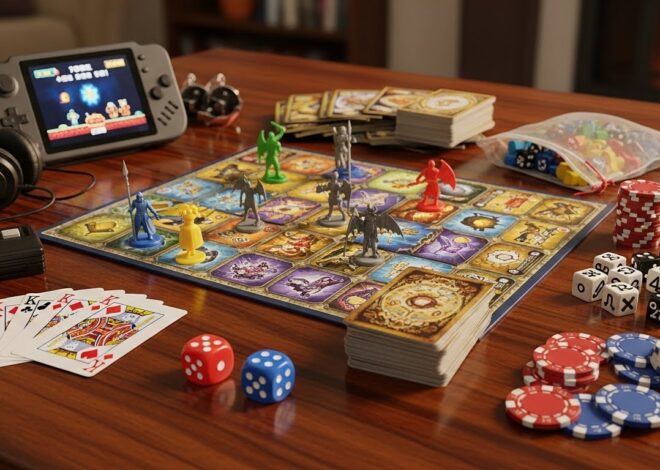
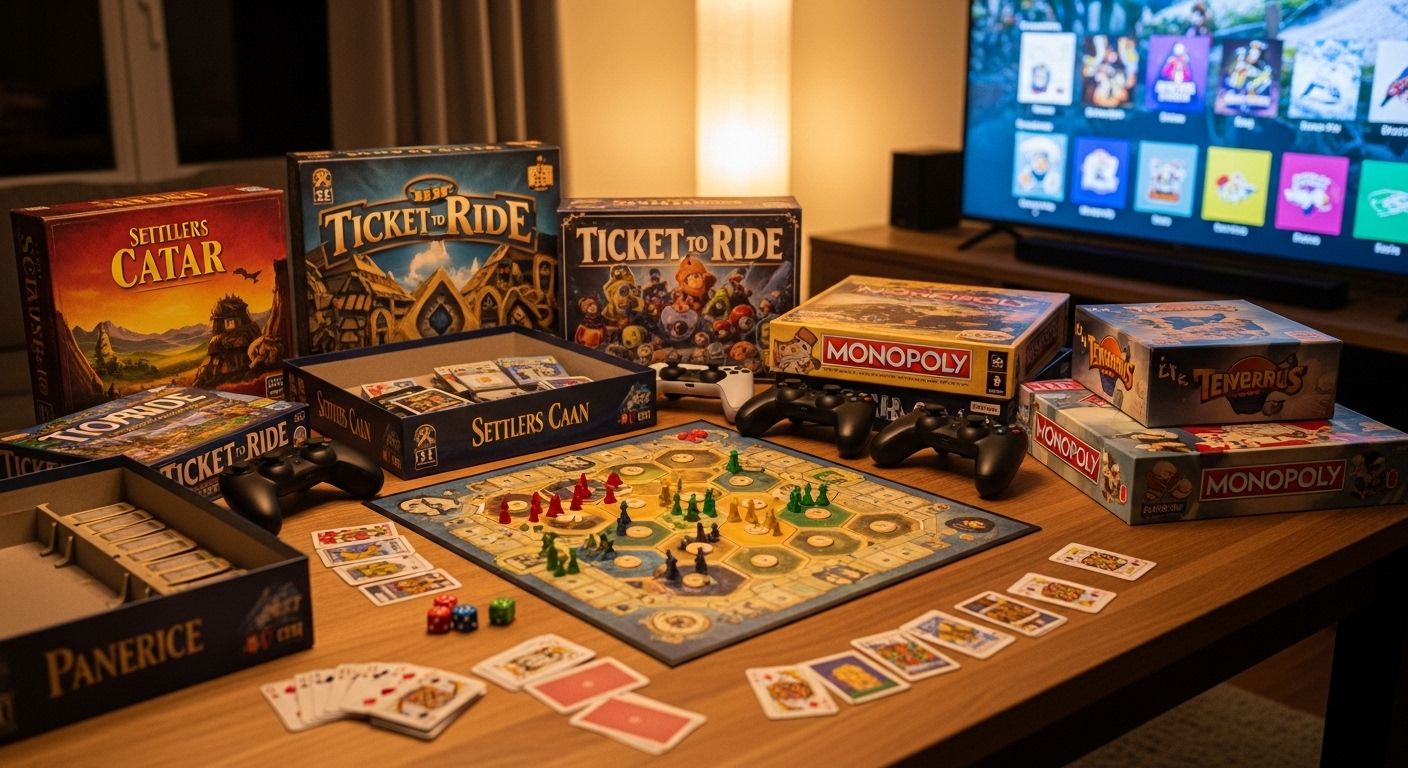
- Board and Card Games: Classics like chess, Monopoly, and playing cards remain popular due to their simplicity and social appeal.
- Sports and Physical Games: Traditional sports and interactive fitness games continue to engage players physically, promoting teamwork and coordination.
The Impact of Games on Society
Games are more than a source of entertainment; they have a significant impact on society. They enhance cognitive skills, such as problem-solving, critical thinking, and strategic planning. Multiplayer games encourage collaboration, communication, and teamwork among players worldwide.
Moreover, gaming has created a thriving professional ecosystem. Esports tournaments, content creation, and game development provide career opportunities while driving innovation in technology and design.
Technology and Innovation in Gaming
Technology plays a crucial role in shaping the gaming experience. Advanced graphics, virtual reality, and artificial intelligence have elevated games to new heights. Virtual reality allows players to immerse themselves in fully interactive environments, while AI enhances gameplay by adapting challenges based on player behavior.
Cloud gaming is another breakthrough, enabling players to access high-quality games without the need for expensive hardware. This democratization of gaming technology has made it accessible to a wider audience than ever before.
The Social Side of Gaming
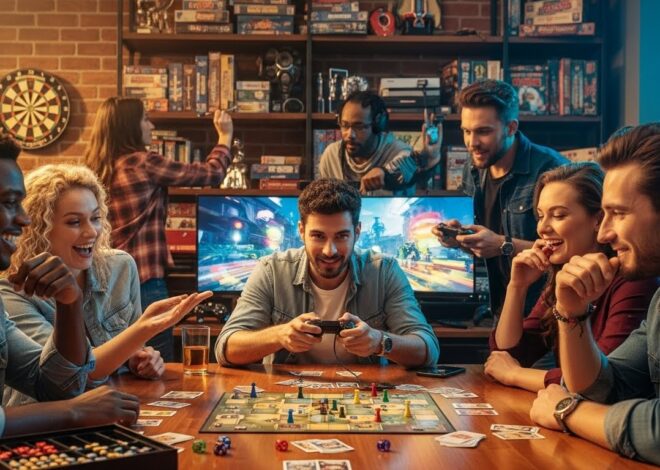
Modern games are highly social. Online multiplayer platforms allow friends and strangers to team up, compete, and communicate across the globe. Gaming communities provide spaces for sharing experiences, learning new strategies, and forming friendships.
Streaming platforms have also transformed the way games are consumed. Watching live gameplay, participating in discussions, and interacting with streamers creates a sense of community and connection that extends beyond the game itself.
The Future of Gaming
The future of gaming promises even more innovation and excitement. Augmented reality, artificial intelligence, and immersive storytelling will continue to redefine the boundaries of play. Games will likely become more integrated into education, fitness, and social platforms, making them a vital part of everyday life.
As the gaming world evolves, it remains a space for creativity, challenge, and connection. Whether you play for fun, competition, or social interaction, games continue to offer endless possibilities for exploration and enjoyment.