Games: The Endless World of Imagination, Strategy, and Connection
Introduction
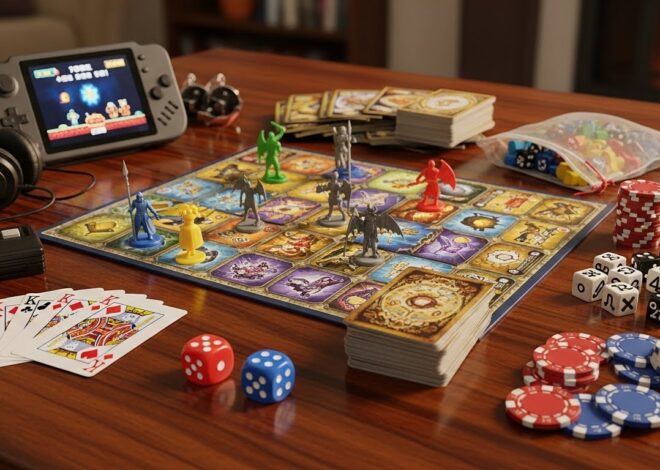
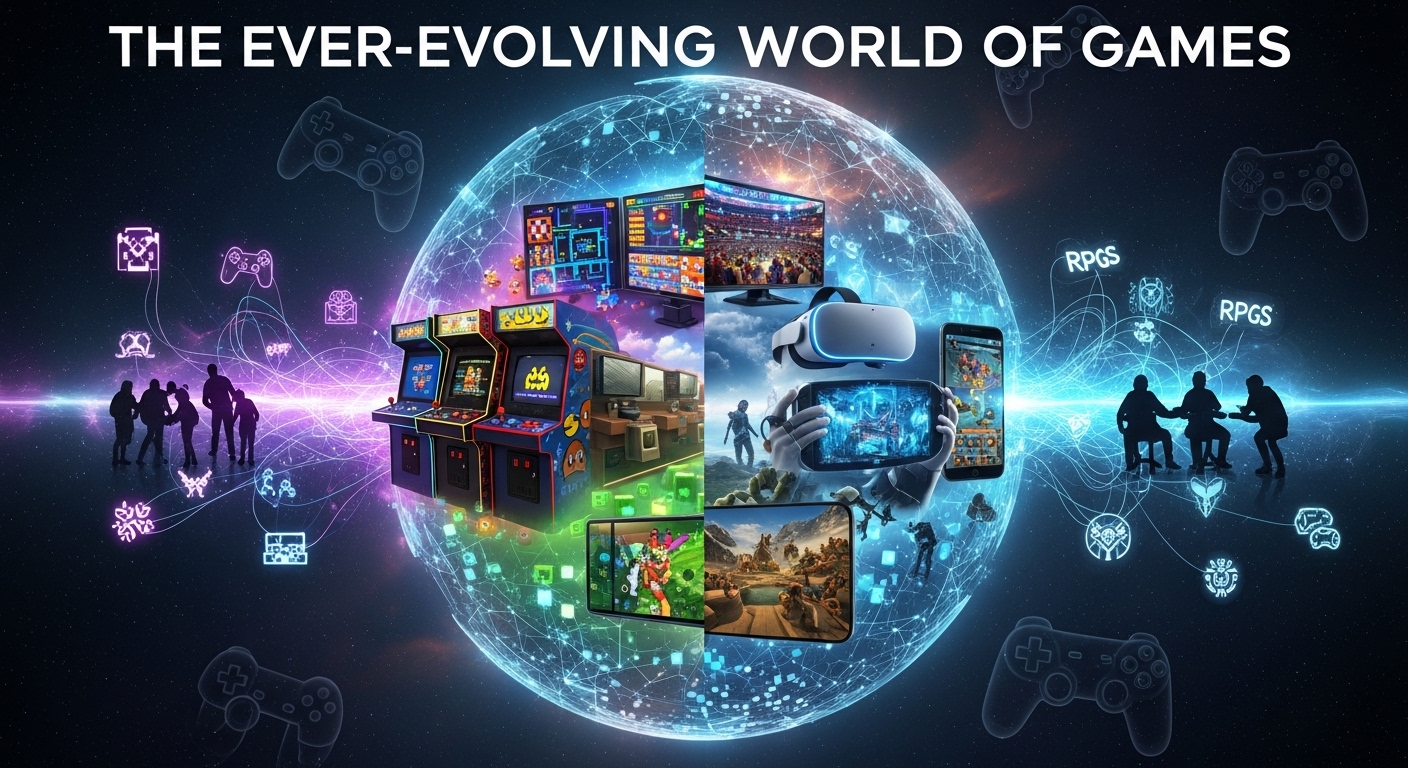
Games have always been an integral part of human culture. From the earliest board games carved into stone to the sprawling virtual worlds of today, gaming has evolved into one of the most dynamic forms of entertainment and creativity. Games are more than just pastimes; they are tools for learning, competition, teamwork, and exploration. Whether it’s a casual mobile puzzle or a massive online battle, games unite people across boundaries and generations.
The idea of play is deeply rooted in human behavior. Children learn through games, adults use them for relaxation, and communities use them to connect. The evolution of gaming shows how creativity and technology merge to form experiences that shape our emotions and even influence modern culture.
This blog explores the journey of games, their different types, the psychology behind gaming, and their impact on society.
The Ancient Origins of Games
Long before computers, consoles, and smartphones existed, humans created games to challenge the mind and spirit. Archaeological evidence shows that board games date back thousands of years. The Royal Game of Ur from ancient Mesopotamia and Senet from Egypt are among the oldest known games. These games were not just about fun—they represented beliefs, rituals, and even destiny.
In many cultures, games were tied to spirituality. Dice, for example, were often used for divination before they became a symbol of chance in board games. Across history, societies used play to teach values, develop strategic thinking, and entertain kings and commoners alike.
As civilizations advanced, so did the complexity of their games. Chess, which originated around the 6th century in India, became one of the most enduring and intellectually respected games in history. It represents war, planning, and foresight, and continues to challenge millions of minds worldwide.
The Rise of Modern Gaming
The modern concept of games began to take shape in the late 19th and early 20th centuries. With industrialization came leisure time, and families began to play board games like Monopoly, Scrabble, and Clue. These became household names, offering a blend of chance, strategy, and interaction.
But the real revolution came with the arrival of digital technology. The 1970s introduced the first electronic games. Pong, a simple tennis-like game created by Atari, started what would become a global phenomenon. Soon, arcade machines filled malls, and young people gathered around to compete for high scores.
The 1980s and 1990s marked the golden age of video gaming. Consoles like the Nintendo Entertainment System and Sega Genesis brought video games into homes. Games such as Super Mario Bros., Sonic the Hedgehog, and The Legend of Zelda defined a generation. The colorful worlds, catchy music, and memorable characters made gaming a core part of youth culture.
The Expansion of Gaming Genres
As technology advanced, games began to diversify into countless genres. Each type offers a unique experience that appeals to different kinds of players.
Action and Adventure Games
These are fast-paced and often require reflexes, timing, and courage. Games like Tomb Raider or Uncharted let players live as explorers uncovering secrets, facing dangers, and saving worlds. The thrill of discovery keeps players hooked for hours.
Strategy and Simulation
Strategy games, both real-time and turn-based, focus on planning, management, and resource control. Titles like Civilization or Age of Empires require logical thinking and patience. Simulations, on the other hand, let players live alternate lives—building cities, running farms, or flying airplanes.
Role-Playing Games (RPGs)
RPGs allow players to step into the shoes of a character in a vast, story-driven world. Games like Final Fantasy, The Witcher, and Skyrim are known for their rich storytelling, character development, and moral choices. Players don’t just play these games—they live in them.
Sports and Racing
From football to racing, sports games replicate real-world competitions in a digital form. Games like FIFA and Forza Horizon combine skill, precision, and passion. They attract both gamers and real sports fans, bridging the gap between physical and digital play.
Puzzle and Casual Games
For players who prefer a slower pace, puzzle games provide mental challenges. From Tetris to Candy Crush, these games focus on logic and quick thinking. Their simplicity makes them accessible to everyone, regardless of age.
The Psychology of Playing Games
Games captivate people not only because they’re entertaining but because they tap into core human needs. Psychologists often refer to gaming as a form of “flow,” where players lose track of time because they’re fully immersed in the experience.
One major reason people play games is the sense of achievement. Games offer rewards, levels, and goals that give players a sense of progress. Unlike real life, where success can be unpredictable, games provide clear feedback and measurable results.
Another psychological aspect is escapism. Games offer players a way to step away from stress, routine, or reality. Whether exploring a fantasy world or managing a virtual farm, gaming can act as therapy for the mind.
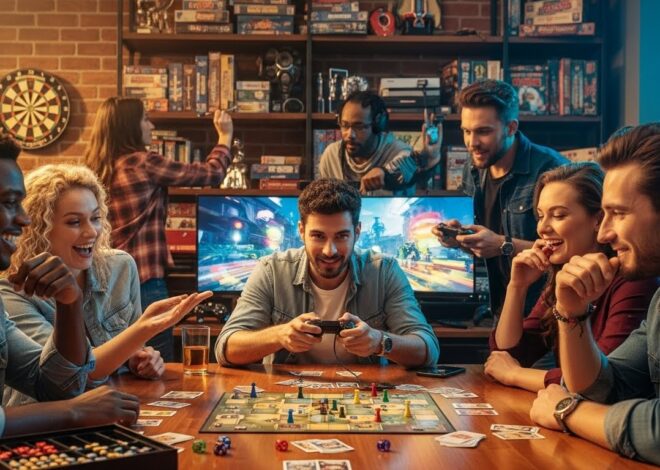
Social interaction also plays a crucial role. Multiplayer and online games create communities where players connect, compete, and collaborate. Friendships and even romantic relationships often begin through gaming. The sense of belonging that online gaming communities provide can be profound.
The Technological Leap Forward
The 21st century transformed gaming beyond imagination. With the arrival of powerful consoles, personal computers, and smartphones, games became accessible everywhere. Graphics evolved from simple pixels to lifelike realism, powered by engines capable of rendering entire cities and natural landscapes.
Online connectivity revolutionized gaming. Multiplayer experiences turned from local couch play into massive global arenas. Games like Counter-Strike, Call of Duty, and Fortnite created international communities. Competitive gaming, known as esports, emerged as a new form of entertainment, where players became professionals and tournaments offered million-dollar prizes.
Virtual reality (VR) and augmented reality (AR) further expanded possibilities. Players can now step inside games, interact with 3D environments, and feel physically present in digital worlds. Technologies like haptic feedback make gaming more immersive than ever before.
Cloud gaming is another innovation changing how people play. Instead of needing powerful hardware, players can stream games directly from servers, making high-end gaming available on almost any device.
The Social Impact of Games
Games influence society in many ways. They inspire art, music, fashion, and even movies. Characters like Mario, Lara Croft, and Master Chief are not just game icons—they are cultural symbols.
Education has also embraced games. Teachers use educational games to make learning interactive. Students can explore history by reenacting events, learn problem-solving through puzzles, and understand teamwork through cooperative games.
Games also promote inclusivity. Developers are increasingly creating titles that represent diverse cultures, genders, and abilities. The message is clear—gaming is for everyone.
However, like any form of media, games also face criticism. Concerns about addiction, violent content, and social isolation continue to be discussed. Yet, research shows that moderate gaming can improve cognitive skills, reaction times, and even emotional intelligence. Balance and awareness are key.
The Evolution of Storytelling in Games
One of the most powerful transformations in gaming is storytelling. Early games were about points and levels, but modern games rival books and films in narrative depth.
Games like The Last of Us, Red Dead Redemption 2, and Life is Strange deliver emotional experiences through character-driven stories. Players make decisions that shape the outcome, making them co-authors of the tale. This interactivity gives gaming a unique power—immersion that no other medium can match.
Narrative-driven games also explore complex themes such as morality, loss, love, and survival. Through interactive storytelling, players experience empathy firsthand, walking in the shoes of others.
The Role of Multiplayer Games in Modern Culture
Online multiplayer games have become a social hub. They are virtual meeting places where millions of people interact daily. Games like Minecraft and Fortnite are not just about competition—they are digital playgrounds where creativity thrives. Players build, design, and share experiences together.
Massively Multiplayer Online Role-Playing Games (MMORPGs) like World of Warcraft introduced the idea of living, breathing worlds populated by real players. These games foster communities that sometimes last decades.
Streaming platforms also changed the landscape. Watching others play has become as popular as playing itself. Streamers entertain, teach, and connect with fans, transforming gaming into a shared cultural experience.
The Rise of Mobile Gaming
Mobile gaming democratized play. With smartphones, everyone became a gamer. Whether it’s a quick puzzle during a break or a full-blown multiplayer match, mobile games offer accessibility unmatched by any other platform.
Titles like PUBG Mobile and Genshin Impact prove that handheld devices can deliver console-quality experiences. Mobile gaming also reaches people who may never own expensive hardware, making gaming truly global.
The mobile market continues to grow rapidly, blending casual fun with deep, engaging gameplay. Its influence on the gaming industry cannot be overstated.
Indie Games and the Spirit of Creativity
While large studios dominate headlines, indie developers have reshaped gaming through creativity and innovation. Without the constraints of big budgets or corporate demands, indie creators experiment freely.
Games like Hollow Knight, Stardew Valley, and Celeste demonstrate how passion and imagination can rival high-end productions. Indie games often tackle personal stories, emotional experiences, and unique gameplay mechanics that stand out in the industry.
Their success shows that players value originality and authenticity. Indie gaming has become a movement celebrating creativity above all else.
The Future of Gaming
The future of gaming promises even greater possibilities. Artificial intelligence is enhancing realism, creating smarter NPCs and adaptive challenges. AI-driven narratives may soon create unique stories for every player.
The metaverse, a shared digital universe, is also becoming a reality. It will merge gaming, social interaction, and virtual economies. Players may not just play games—they might live and work in them.
Advancements in graphics, sound, and immersion will continue. Yet, the heart of gaming will remain the same: the desire to play, explore, and connect.
The Educational Value of Games
Games are powerful teaching tools. They encourage problem-solving, critical thinking, and perseverance. Educational games make complex subjects enjoyable and memorable.
For children, learning through play builds creativity and cooperation. For adults, games can teach management, planning, and decision-making. Simulations used in medicine, engineering, and the military prove how gaming technology can train professionals in real-world scenarios.
The line between entertainment and education continues to blur, turning play into progress.
The Emotional Connection Between Players and Games
One of the most overlooked aspects of gaming is emotion. Players form deep connections with characters and stories. The joy of victory, the frustration of defeat, and the sadness of a character’s loss—all evoke real feelings.
Games can inspire empathy, reflection, and courage. They can motivate people to overcome challenges in real life by mirroring struggles in virtual worlds. Many players describe certain games as life-changing because they offer comfort, understanding, or escape during difficult times.
This emotional power makes games not just entertainment but an art form in their own right.
The Global Gaming Community
Gaming transcends borders. Players from every country share experiences in real-time. Language barriers fade when cooperation and competition unite people.
Esports tournaments attract audiences that rival traditional sports. Teams, sponsors, and fans create an industry worth billions. Gaming conventions bring together enthusiasts, developers, and innovators to celebrate creativity.
Online forums and communities allow players to share stories, strategies, and friendships. The global gaming culture is one of inclusivity, passion, and mutual respect.
Conclusion
Games are far more than entertainment. They are reflections of humanity—our creativity, intelligence, and desire for connection. From ancient boards to digital realms, gaming continues to evolve, shaping and being shaped by society.
Every generation finds its form of play. Whether through strategy, adventure, or imagination, games remind us of our shared humanity. They challenge our minds, awaken our emotions, and bring joy to millions.
The world of games is infinite. It will continue to expand, innovate, and inspire as long as people seek adventure and fun. In every pixel, every roll of the dice, and every moment of victory or defeat, there lies the timeless essence of what it means to play.