Games: The Endless World of Imagination, Skill, and Connection
Games have always been a part of human history. From the earliest days of civilization, people have played games for entertainment, learning, and social bonding. Whether played on a dusty field, around a wooden board, or through a glowing screen, games capture something essential about human nature—the desire to play, to compete, and to connect. Over time, games have evolved dramatically, reflecting changes in culture, technology, and human imagination. Today, the world of games is vast and varied, encompassing sports, board games, and the ever-expanding universe of digital gaming. This blog explores the rich landscape of games, their evolution, and their profound impact on society and individuals alike.
The Ancient Roots of Games
The concept of gaming is not modern. Archaeological evidence shows that even ancient civilizations engaged in games. In ancient Egypt, people played Senet, a board game that symbolized the journey to the afterlife. In China, Go and Mahjong developed into deeply strategic and social experiences that continue to be enjoyed today. The Greeks and Romans competed in athletic games that tested strength and honor, laying the foundations for modern sports.
Games in these early societies served many purposes. They were a form of relaxation but also carried spiritual and educational significance. Ancient games often reflected philosophical or religious ideas. For example, Go emphasized balance and foresight, while chess, which originated in India as Chaturanga, was used to teach military strategy and critical thinking.
Even simple games such as dice rolling carried symbolic meanings. The randomness of dice represented fate and destiny, giving players a sense of participating in life’s uncertainty. Through these early examples, it’s clear that games have always been more than just entertainment—they mirror human thought, creativity, and the desire to make sense of the world.
The Social Nature of Play
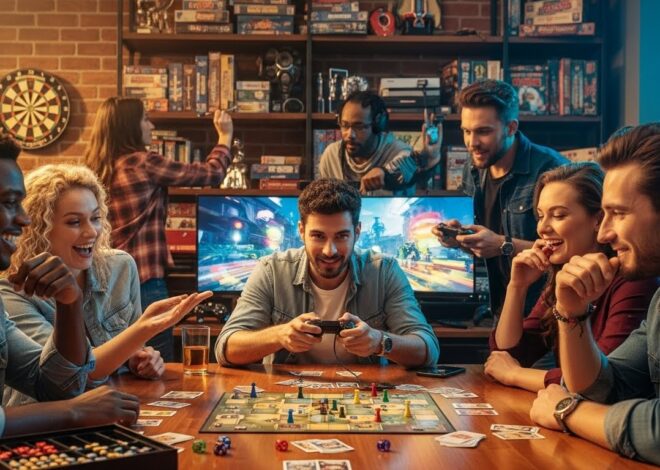
Games bring people together. Whether it’s a group of friends gathered around a board game or thousands of fans cheering at a stadium, games foster social connection. They teach cooperation, communication, and fair play. From childhood, we use games to learn how to interact with others.
Children’s games like tag, hide-and-seek, or hopscotch help develop physical coordination and social skills. These games also teach rules, fairness, and the consequences of cheating. Team sports like football, basketball, and cricket emphasize collaboration and collective success over individual gain. In many ways, games act as a miniature version of society, helping us understand teamwork, competition, and respect.
The joy of shared play extends beyond personal connection. Games can bridge language and cultural barriers. People from different backgrounds can come together through the universal language of play. This power to unite is why games often play a role in diplomacy, education, and even peacebuilding efforts around the world.
The Birth of Modern Board Games
As societies evolved, so did the games they played. The nineteenth and twentieth centuries saw a rise in organized games and the creation of many modern classics. Games like Monopoly, Scrabble, and Clue became household names. These games reflected not only entertainment but also aspects of social life and economics. Monopoly, for example, was originally designed to criticize capitalism, though it eventually became a symbol of it.
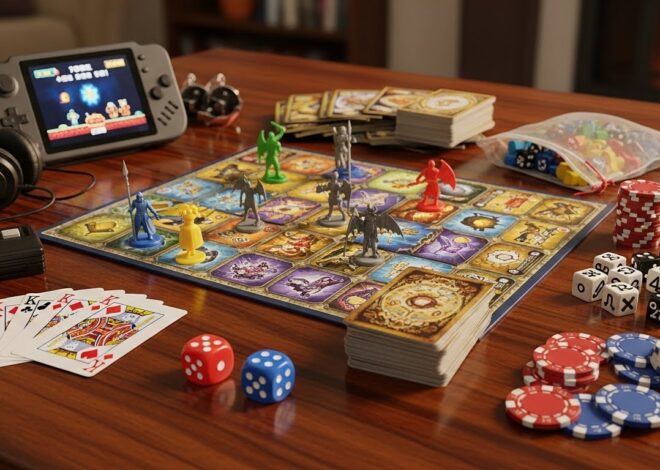
Board games brought families and friends together in living rooms across the world. They encouraged critical thinking, creativity, and communication. Unlike sports, which required physical activity and often space, board games could be played indoors, making them accessible to all ages.
The twenty-first century has brought a new golden age of board games. Games like Catan, Ticket to Ride, and Carcassonne have revived interest in tabletop gaming. These modern games emphasize strategy, storytelling, and player interaction. The community around board games has also flourished, with conventions and tournaments drawing thousands of enthusiasts every year.
The Digital Revolution in Gaming
Perhaps no transformation in the world of games has been as dramatic as the digital revolution. Video games have grown from simple pixelated forms of entertainment into massive industries that rival film and music. From the arcade classics of the 1970s and 80s like Pac-Man and Space Invaders to the complex, immersive worlds of today’s open-world games, digital gaming has changed how we experience play.
The earliest video games were simple in design but revolutionary in concept. Pong, one of the first commercial video games, simulated table tennis with just two paddles and a bouncing dot. Despite its simplicity, it captured the imagination of players and paved the way for the booming industry that followed.
With the rise of home consoles like the Atari, Nintendo Entertainment System, and later the PlayStation and Xbox, gaming became a part of everyday life. Each generation brought new levels of realism, storytelling, and interactivity. Today’s games feature lifelike graphics, complex narratives, and online multiplayer options that connect millions of players across the globe.
The Art of Game Design
Behind every great game lies the creativity of game designers. Creating a game is both a technical and artistic process. It involves storytelling, psychology, mathematics, and aesthetics. A good game must balance challenge and reward, simplicity and depth.
Game designers consider how players think and feel. The pacing of levels, the difficulty of challenges, and even the sounds and colors are carefully crafted to evoke emotion and engagement. Some games focus on action and reflexes, while others emphasize strategy, problem-solving, or narrative immersion.
One of the most remarkable aspects of game design is its diversity. There are games that simulate war and games that simulate farming. Some allow players to build cities, explore galaxies, or even live alternative lives. Games like The Sims, for example, reflect human social behavior and creativity. Others, like Dark Souls, challenge players with difficulty and reward perseverance and skill.
Game design has also become a form of modern art. Many video games today are admired not only for their entertainment value but for their artistic achievement. Games such as Journey, Inside, and Ori and the Blind Forest are celebrated for their emotional storytelling and stunning visual design.
The Rise of Esports and Competitive Gaming
Competitive gaming, or esports, has turned video games into a global spectator sport. What began as friendly local competitions has grown into professional tournaments watched by millions worldwide. Games like League of Legends, Dota 2, and Counter-Strike: Global Offensive have massive followings, with players earning fame and fortune.
Esports teams now have coaches, analysts, and sponsors, just like traditional sports teams. The skill and coordination required at the professional level are extraordinary. These players train for hours daily, refining strategies and reaction times to compete at the highest level.
Esports has also changed how people perceive gaming. What was once dismissed as a hobby is now recognized as a legitimate profession. Universities even offer scholarships for esports athletes, and countries are beginning to recognize esports as an official sport.
Beyond competition, esports has fostered community and inclusion. Fans from around the world come together to support their favorite teams and players. The energy at live esports events rivals that of major sports tournaments, showing how digital play can inspire real-world passion.
The Psychological Impact of Games
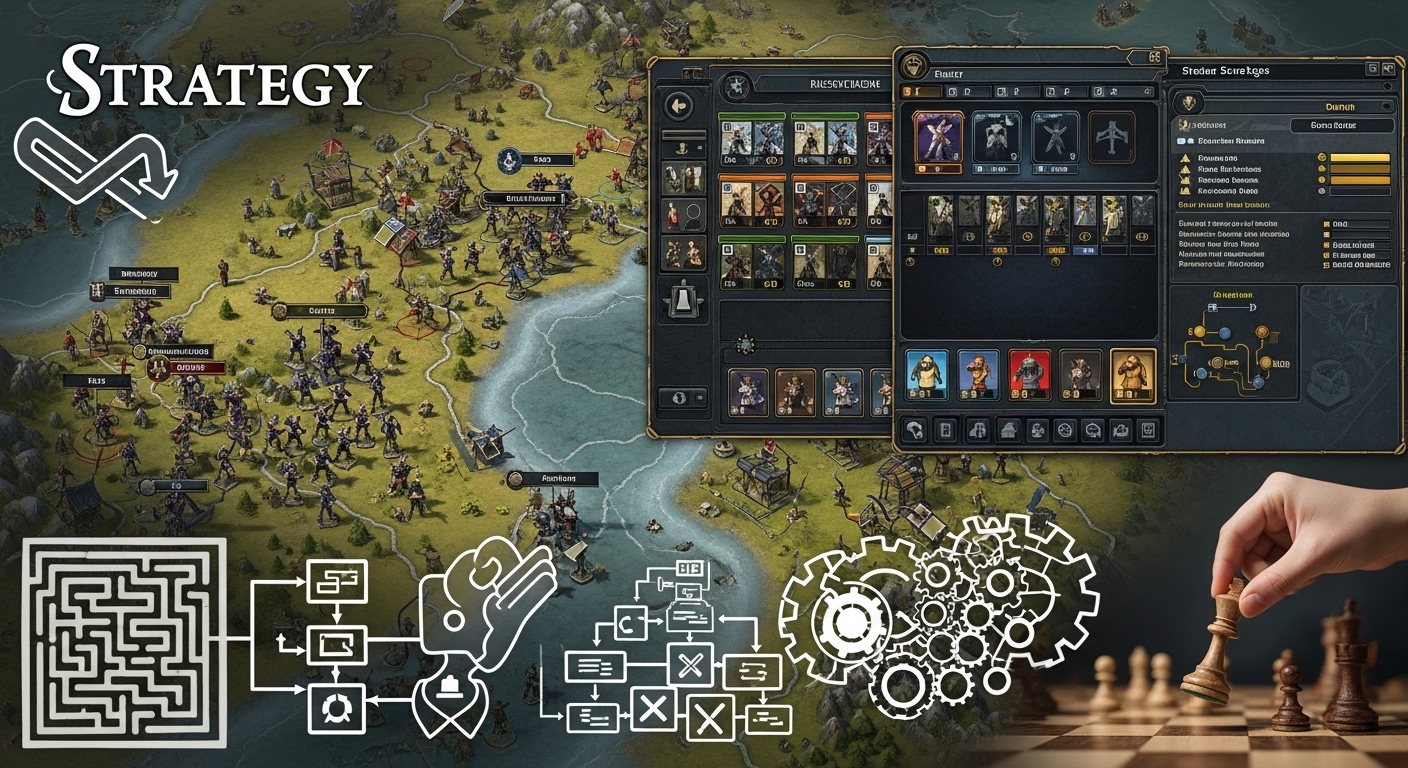
Games are more than just fun—they influence how we think, feel, and behave. Psychologists have long studied the effects of gaming on the human mind. Positive effects include improved problem-solving skills, enhanced memory, and better hand-eye coordination. Strategy and role-playing games, for example, encourage planning and critical thinking, while puzzle games strengthen pattern recognition.
Games can also have therapeutic uses. Many doctors use “serious games” to help patients recover from injuries, manage anxiety, or improve cognitive function. Educational games help children learn languages, mathematics, and science in interactive and engaging ways.
However, gaming also comes with challenges. Excessive gaming can lead to addiction or social isolation if not balanced properly. The key lies in moderation and mindful play. When approached responsibly, gaming can be a healthy and rewarding part of life.
The Role of Storytelling in Games
Storytelling has become one of the most powerful aspects of modern games. Unlike books or movies, games allow players to participate in the story. They make choices, face consequences, and shape outcomes. This interactivity gives gaming a unique emotional depth.
Narrative-driven games like The Last of Us, Red Dead Redemption, and Life is Strange show how games can rival cinema in storytelling. Players form deep emotional connections with characters and experience a sense of agency that other media cannot offer.
Indie games, created by smaller studios or even individuals, have pushed storytelling boundaries further. These games often focus on personal or experimental themes, addressing topics like grief, identity, and morality. The emotional impact of these experiences demonstrates that games can be art in the truest sense.
The Future of Games
As technology advances, the future of gaming looks boundless. Virtual reality (VR) and augmented reality (AR) are redefining immersion. Players can step inside digital worlds, interact physically, and experience new forms of play. Artificial intelligence is creating smarter, more adaptive games that respond dynamically to player behavior.
The rise of cloud gaming allows people to play high-quality games without expensive hardware. Mobile gaming continues to expand accessibility, turning smartphones into portable game consoles for billions of people worldwide.
Another exciting development is the merging of gaming with other industries. Games are being used in education, healthcare, architecture, and even environmental research. They can simulate real-world problems, train professionals, and inspire creativity in unexpected ways.
As technology evolves, one thing remains constant: the human love of play. No matter how advanced games become, their essence will always be rooted in joy, challenge, and connection.
Games as a Reflection of Humanity
Games, at their core, mirror who we are. They embody our hopes, fears, and dreams. In competition, we see our desire to test limits. In cooperative play, we find empathy and teamwork. In storytelling games, we explore morality and imagination.
Through play, we understand ourselves and others. Games provide a safe space to experiment with ideas and emotions. They allow us to fail, learn, and grow. Whether played on a field, a board, or a screen, every game carries a piece of the human spirit.
As the world continues to change, games will evolve with it. But their fundamental purpose will never fade—to bring joy, connection, and discovery to all who play.
Conclusion
From ancient dice and wooden boards to digital worlds and virtual realities, the journey of games is a story of human creativity and progress. Games are not merely distractions—they are reflections of our societies, tools for learning, and bridges between people and cultures.
Every roll of the dice, every level completed, and every match won tells a story of imagination and determination. Games remind us that life itself is a kind of play, full of challenges, rewards, and endless possibilities.
In a world often divided by differences, games remain a universal language—one that speaks through joy, challenge, and the timeless spirit of play.