
Play, Compete, and Connect: The Ever-Evolving World of Games
Introduction
Games have been a part of human culture for centuries. From ancient board games to modern video games, they serve as a source of entertainment, education, and social connection. Games are more than just a pastime—they challenge our minds, enhance skills, and bring people together in ways that few other activities can.
The History of Games
The history of games stretches back thousands of years. Ancient civilizations played games like chess, Go, and dice-based activities as a form of recreation and strategy development. These early games were not only entertaining but also helped develop critical thinking, planning, and social interaction. Over time, games evolved, adapting to new technologies and cultural trends, giving rise to the modern gaming world we know today.
Video Games: A Digital Revolution
The rise of video games has transformed gaming into a global phenomenon. Consoles, PCs, and mobile devices have brought interactive experiences to millions of people worldwide. Video games span genres from action and adventure to simulation and strategy, providing experiences that challenge reflexes, problem-solving abilities, and creativity. They also offer immersive storytelling, making players active participants in complex narratives.
Board Games and Traditional Games
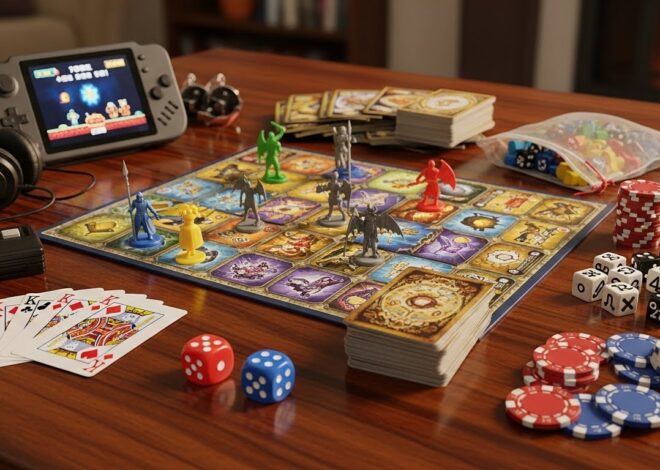
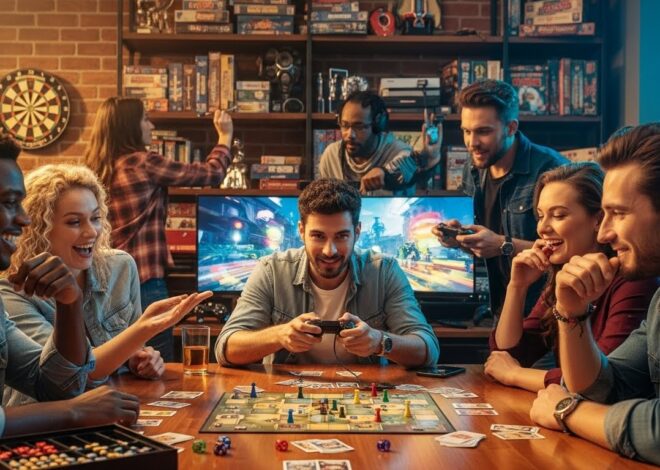
While digital games dominate modern entertainment, traditional games remain popular for their social and educational value. Board games, card games, and sports-based games encourage face-to-face interaction, teamwork, and strategic thinking. They foster communication and connection among players, creating shared experiences that strengthen relationships and build communities.
The Rise of Competitive Gaming
Competitive gaming, or eSports, has turned gaming into a professional pursuit. Players and teams train rigorously to compete in tournaments with global audiences. These events showcase high levels of skill, strategy, and teamwork, offering prize money and sponsorship opportunities. eSports has elevated gaming into a respected form of competition, attracting fans and players from around the world.
Games and Skill Development
Games are not only entertaining but also educational. They enhance cognitive skills such as problem-solving, memory, and decision-making. Strategy games teach planning and foresight, puzzle games sharpen analytical thinking, and multiplayer games foster teamwork and communication. Games can also improve hand-eye coordination, reflexes, and adaptability, making them tools for personal growth.
Social and Cultural Impact of Games
Games play a significant role in culture and society. They bring people together, create communities, and inspire creativity. Online platforms allow players to connect globally, forming friendships and exchanging ideas across cultural and geographical boundaries. Games also influence art, music, and storytelling, shaping trends and popular culture in meaningful ways.
Challenges in the Gaming World
Despite its popularity, the gaming industry faces challenges. Issues such as excessive screen time, online toxicity, and addiction require awareness and responsible engagement. Balancing competitive intensity with healthy gaming habits is essential for players of all ages. Additionally, creating inclusive and accessible gaming experiences remains a priority for developers.
The Future of Gaming
The future of gaming is filled with innovation. Virtual reality, augmented reality, cloud gaming, and artificial intelligence are transforming how players experience games. Gaming is becoming more immersive, interactive, and socially connected than ever before. As technology continues to evolve, games will not only entertain but also educate, connect, and inspire players around the world.
Conclusion
Games are more than entertainment—they are a reflection of human creativity, strategy, and connection. From ancient board games to modern video games and competitive eSports, gaming continues to evolve, shaping culture, enhancing skills, and bringing people together. As the world of games grows, it promises endless opportunities for learning, collaboration, and enjoyment for generations to come.