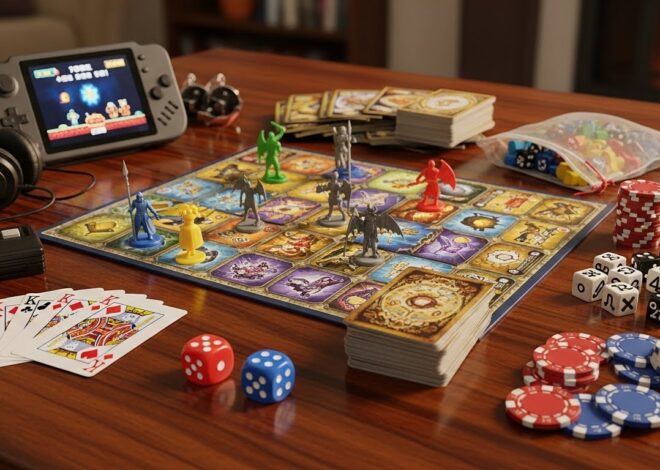

The Evolution of Gaming: From Classic Pastimes to Modern Digital Adventures
Games have always been an integral part of human culture, offering entertainment, competition, and opportunities for social interaction. From the simplicity of board games and card games to the complexity of modern video games, the world of gaming has evolved tremendously over time. Today, gaming is not just a pastime; it has become a cultural phenomenon, an economic powerhouse, and a medium for storytelling, skill development, and community building. This blog explores the history, types, benefits, challenges, and future of games, providing a comprehensive look at their impact on society.
The History of Games
Games have existed for thousands of years, reflecting human creativity and the desire for challenge and enjoyment. Ancient civilizations created games for leisure, education, and even religious purposes. For example, board games like Senet in Egypt and Go in China date back millennia and were used not only for entertainment but also for teaching strategy and critical thinking.
During the Middle Ages, games became more organized and widespread in Europe. Card games, dice games, and chess gained popularity among both nobility and commoners. These games often combined skill, chance, and social interaction, laying the foundation for many modern gaming concepts.
The 20th century brought dramatic changes with the advent of electronic gaming. The introduction of arcade machines in the 1970s and home consoles in the 1980s revolutionized how people interacted with games. Video games quickly evolved from simple pixelated experiences to immersive worlds with complex graphics, narratives, and gameplay mechanics.
Types of Games
Modern gaming encompasses a wide variety of formats, each offering unique experiences and challenges.
Board and Card Games
Board and card games remain timeless classics. They encourage strategy, problem-solving, and social interaction. Popular examples include Monopoly, Scrabble, chess, and poker. Despite the rise of digital gaming, these games maintain a loyal following due to their tactile nature and face-to-face social experience.
Video Games
Video games have become the dominant form of modern gaming. They range from simple mobile apps to complex console and PC experiences. Video games can be categorized into multiple genres such as action, adventure, role-playing, simulation, sports, and strategy. Each genre offers unique gameplay, objectives, and appeal.
Mobile Games
Mobile gaming has transformed accessibility in the gaming world. With smartphones and tablets, players can enjoy games anywhere, anytime. Mobile games are often casual, with simple mechanics designed for short sessions, but they can also include complex strategy and role-playing elements. Games like puzzle apps, multiplayer online battle arenas, and augmented reality experiences demonstrate the versatility of mobile gaming.
Virtual Reality and Augmented Reality Games
Virtual reality (VR) and augmented reality (AR) games represent the cutting edge of gaming technology. VR immerses players in a fully digital environment, often requiring specialized headsets and motion controllers. AR games overlay digital elements onto the real world, blending reality and imagination. These games offer unique, immersive experiences that traditional formats cannot replicate.
Sports and Simulation Games
Sports and simulation games replicate real-world activities and experiences. They include soccer, basketball, racing, and flight simulators. These games can be highly realistic, allowing players to develop skills, practice strategy, and enjoy competition in a virtual environment.
Multiplayer Online Games
Multiplayer online games, including massively multiplayer online role-playing games (MMORPGs) and battle royale games, have created entire communities of players. These games emphasize collaboration, competition, and social interaction. Players can team up, compete globally, and participate in events, making the gaming experience highly interactive and dynamic.
The Benefits of Gaming
Gaming offers a variety of cognitive, social, and emotional benefits.
Cognitive Development
Many games require strategic thinking, problem-solving, and decision-making. Puzzle games, strategy games, and role-playing games enhance critical thinking, spatial awareness, and memory. Gamers often develop skills that can be applied in real-life situations, such as planning, multitasking, and resource management.
Stress Relief and Entertainment
Games provide an escape from everyday stress and a source of entertainment. Immersive gameplay allows players to focus on challenges and objectives, which can be relaxing and mentally stimulating. Casual games, simulation games, and story-driven adventures help players unwind while engaging their minds.
Social Interaction and Community Building
Online multiplayer games create social communities where players can collaborate, communicate, and form friendships. These virtual communities often extend beyond the game, fostering long-lasting social connections. Even traditional board games encourage face-to-face interaction, promoting teamwork, communication, and sportsmanship.
Skill Development
Certain games, especially strategy and simulation games, help develop practical skills. Racing games improve reaction times and hand-eye coordination, while strategy games enhance analytical thinking. Role-playing games encourage creativity, problem-solving, and leadership skills.
Educational Value
Educational games combine learning with entertainment, making subjects like math, science, and language more engaging. Gamification of education through interactive games has proven effective in schools and training programs, motivating students to learn while having fun.
Challenges in Gaming
Despite its many benefits, gaming also presents challenges that players, parents, and society must address.
Gaming Addiction
Excessive gaming can lead to addiction, impacting mental health, social relationships, and productivity. Recognizing and managing gaming time is crucial to maintaining a healthy balance between entertainment and other aspects of life.
Exposure to Inappropriate Content
Some games contain violent, explicit, or inappropriate content, which may not be suitable for younger audiences. Parents and players must be aware of game ratings and content to ensure safe gaming experiences.
Online Harassment and Toxicity
Multiplayer online games can expose players to harassment, bullying, and toxic behavior. Game developers are implementing moderation tools and community guidelines, but players must also practice safe and respectful online interaction.
Physical Health Concerns
Prolonged gaming sessions can lead to sedentary behavior, eye strain, and poor posture. It is important to take breaks, engage in physical activity, and maintain a balanced lifestyle.
Economic Considerations
Some games include microtransactions, in-game purchases, and loot boxes, which can lead to unplanned spending. Players should be mindful of financial limits and game monetization practices.
The Role of Technology in Modern Gaming
Technology is the driving force behind modern gaming, enhancing graphics, interactivity, and accessibility.
Advanced Graphics and Immersion
High-definition graphics, realistic animations, and 3D environments create immersive gaming experiences. Modern consoles and PCs provide cinematic visuals that captivate players and enhance storytelling.
Artificial Intelligence
AI is increasingly used in gaming to create responsive and intelligent non-player characters, dynamic game environments, and personalized experiences. AI also assists in balancing game difficulty and improving player engagement.
Cloud Gaming
Cloud gaming allows players to stream games directly to their devices without downloading large files. This technology reduces hardware limitations and enables access to high-quality games on a variety of platforms, including smartphones and tablets.
Virtual Reality and Augmented Reality
VR and AR technologies provide immersive and interactive gameplay, blending the digital and physical worlds. Players can experience realistic environments, interact with virtual objects, and enjoy a sense of presence that traditional games cannot provide.
Multiplayer and Online Connectivity
Online connectivity allows gamers to compete and collaborate globally. Multiplayer platforms enable real-time interaction, social networking, and community events, transforming gaming into a social experience beyond individual play.
The Future of Gaming
The future of gaming promises exciting developments driven by technology, creativity, and changing player preferences.
Expansion of Virtual Reality
Virtual reality will continue to grow, offering fully immersive worlds where players can explore, create, and interact. VR gaming will become more accessible as hardware becomes affordable and user-friendly.
Artificial Intelligence Integration
AI will further personalize gaming experiences, adapting gameplay, difficulty levels, and storylines to individual players. AI-driven content generation may allow infinite variations of games, providing endless entertainment.
Cloud-Based Gaming
Cloud gaming will eliminate the need for high-end hardware, making games accessible to a broader audience. Players will be able to enjoy high-quality experiences on any device, promoting inclusivity in gaming.
Esports and Competitive Gaming
Esports will continue to expand as a major industry, with tournaments, professional teams, and sponsorships providing opportunities for players to compete at a global level. Competitive gaming will grow as both entertainment and career paths.
Gamification in Everyday Life
The principles of gaming, including rewards, challenges, and progression, will increasingly influence education, training, and workplace environments. Gamification will create engaging experiences beyond traditional entertainment.
Conclusion
Gaming has evolved from simple board games to complex digital experiences that span multiple genres and platforms. It offers cognitive, social, and emotional benefits, while also presenting challenges that must be managed responsibly. Technology, including artificial intelligence, virtual reality, and cloud gaming, continues to reshape how games are developed and played, providing immersive and interactive experiences that were once unimaginable.
The future of gaming is bright, with emerging technologies, expanding online communities, and innovations in design and storytelling promising even more engaging experiences. Gaming is not merely a pastime; it is a cultural, social, and economic force that continues to influence society and redefine entertainment in the modern era.
Whether through traditional board games, mobile apps, virtual reality adventures, or competitive esports, games will continue to captivate players, challenge minds, and bring people together in ways that are both fun and meaningful.