The Fascinating World of Games: From Ancient Pastimes to Digital Frontiers
Introduction: The Universal Language of Play
Games have been an integral part of human history for centuries, transcending cultures, geographies, and eras. Whether it’s the thrill of competition, the excitement of strategy, or the simple joy of escape, games have always played a significant role in our lives. What started as rudimentary pastimes in ancient civilizations has evolved into an expansive industry that shapes modern entertainment. Today, games span across physical, digital, and virtual realms, offering experiences that cater to all types of players. This blog post delves into the world of games—how they began, how they’ve evolved, and how they continue to influence and entertain us today.
The Origins of Gaming: Simple Beginnings
Long before the rise of video games, people found ways to entertain themselves through simple games. The earliest recorded games were often games of chance or strategy, played with dice, stones, or sticks. Evidence of games can be traced back to ancient civilizations such as Egypt, China, and Mesopotamia. Games like Senet, which dates back to around 3100 BCE in Egypt, and Go, originating in China over 2,500 years ago, are among the earliest known examples of structured games. These early games were often used for recreational purposes, but also for divination or strategic training.
Similarly, ancient civilizations developed various types of board games, which were often played by the elite, reflecting the societal structure of the time. These games weren’t just forms of entertainment—they played a significant role in shaping social interaction and cognitive development. The structure, rules, and strategies behind these games laid the groundwork for the more complex systems of play that would develop in the centuries to come.
The Evolution of Physical Games: Board Games and Card Games
As civilizations advanced, so did their games. Chess, which originated in India around the 6th century, became one of the most important strategic games in the world. It not only required logical thinking and foresight but also became a cultural symbol of intelligence and power. Over time, chess spread to Europe, where it underwent changes that gave rise to the modern version we know today.
Similarly, card games, with their origins in China and Persia, spread throughout Europe in the 15th century and became deeply embedded in social life. Games like Poker, Bridge, and Solitaire have maintained their popularity for centuries, with new variations and formats emerging to cater to changing tastes and preferences. These games introduced a new form of entertainment that combined skill, luck, and social interaction.
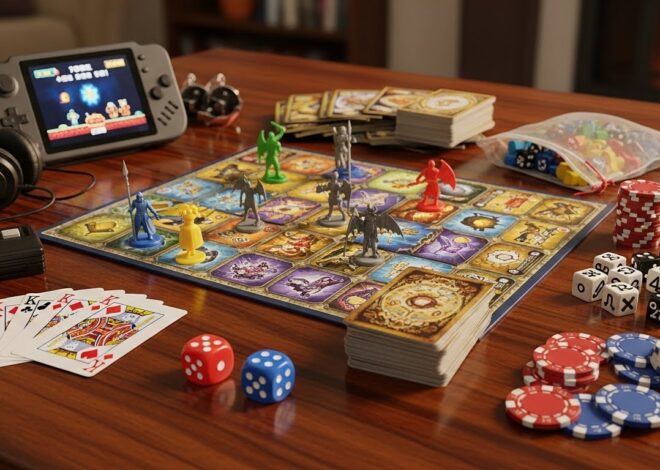
The rise of these physical games marked an important shift in the way people spent their leisure time. Games became a social event—something that brought people together, whether it was around a board or a deck of cards. Board games like Monopoly and Scrabble became household staples, while Risk and Clue turned family nights into strategic battles of wits. These games laid the foundation for the gaming culture we know today, fostering a love of friendly competition and skill-building.
The Birth of Video Games: A New Era of Entertainment
The next major leap in the evolution of gaming came with the advent of video games. The late 20th century saw the birth of the gaming industry as we know it today. In 1972, Pong, one of the first commercially successful video games, was released, marking the beginning of an era that would revolutionize entertainment. Pong, a simple two-player game that simulated table tennis, was a precursor to the fast-paced, interactive experiences we now enjoy.
In the 1980s, arcade games like Space Invaders, Pac-Man, and Donkey Kong captured the imaginations of millions of players. These early video games were often simple in design but challenging in gameplay. The introduction of home consoles like the Atari 2600 and the Nintendo Entertainment System (NES) brought gaming into living rooms, making it accessible to a wider audience. The simplicity of early video games made them easy to pick up, but their complexity and difficulty kept players coming back for more.
The Rise of Home Consoles and the Birth of Iconic Franchises
The 1990s saw the gaming industry take its next big leap forward. The introduction of 3D graphics and more sophisticated consoles like the PlayStation, Xbox, and Nintendo 64 opened up new realms of possibility for game developers. This era saw the birth of iconic franchises such as Super Mario, The Legend of Zelda, and Final Fantasy, games that continue to hold significant places in the hearts of players worldwide.
With the rise of powerful consoles came more intricate game designs and rich storylines. Games like The Elder Scrolls, Gran Turismo, and Metal Gear Solid pushed the boundaries of what was possible in gaming, introducing expansive worlds, advanced artificial intelligence (AI), and complex narratives. These games not only offered interactive play but also cinematic storytelling, immersing players in their worlds.
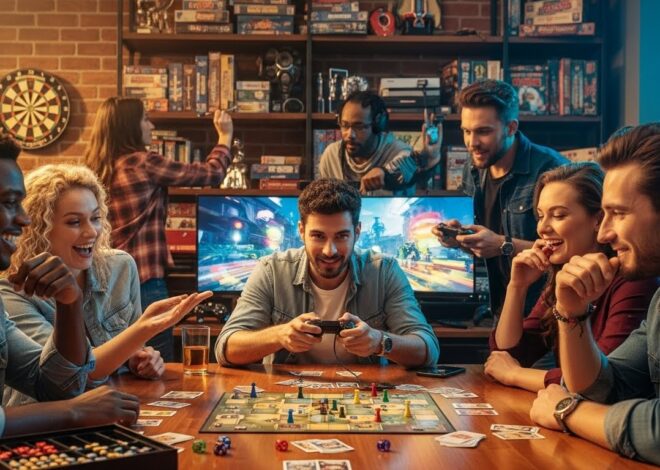
This period also saw the growth of multiplayer gaming, with games like GoldenEye 007 and Halo offering split-screen modes where friends could compete or cooperate in the same physical space. These games made gaming a shared experience, strengthening the social aspect of play and creating lasting memories between friends.
Mobile Gaming: Gaming for Everyone, Everywhere
The 21st century brought with it another monumental shift in gaming—the rise of mobile gaming. The widespread adoption of smartphones and tablets has turned mobile devices into gaming platforms, allowing people to play anywhere and at any time. Games like Angry Birds, Candy Crush Saga, and Clash of Clans revolutionized the industry by offering quick, accessible gameplay experiences that could be enjoyed in short bursts.
Mobile games are often free to play with in-app purchases, a business model that has dominated the gaming industry in recent years. These games have democratized gaming, making it accessible to people of all ages and backgrounds. With the development of app stores and easy-to-download titles, mobile gaming has become an everyday part of modern life. Whether it’s a puzzle game to kill time or an immersive role-playing game (RPG) to get lost in, mobile gaming offers something for everyone.
The Rise of Online and Multiplayer Games
In the late 2000s, the internet introduced a new dimension to gaming—online play. Online multiplayer games allow players to connect, compete, or cooperate with others in real time, regardless of location. Games like World of Warcraft, League of Legends, and Fortnite have fostered global communities, where millions of players can engage in massive virtual worlds, team up with friends, or face off in competitive arenas.
The success of these games has led to the rise of eSports, a multi-billion-dollar industry centered around competitive gaming. Professional players, teams, and tournaments attract millions of viewers, much like traditional sports. The ability to watch others play, whether for fun or for learning, has helped solidify gaming’s place as a global cultural phenomenon.
Virtual Reality (VR) and Augmented Reality (AR): The Future of Gaming
Looking toward the future, Virtual Reality (VR) and Augmented Reality (AR) are set to change the way we experience games. VR immerses players in fully digital environments, allowing them to interact with games in a way that was previously unimaginable. Games like Beat Saber and Half-Life: Alyx offer highly immersive experiences that transport players into entirely new worlds.
AR, on the other hand, integrates digital elements into the real world. Games like Pokémon GO have already shown the potential of AR gaming, allowing players to interact with virtual objects and creatures in real-world locations. As VR and AR technologies continue to develop, they will likely open up new genres and opportunities for innovation, offering even deeper, more engaging gaming experiences.
The Social Aspect of Gaming
One of the most powerful aspects of gaming is its ability to connect people. Whether playing local multiplayer games with friends or teaming up with strangers online, gaming fosters social interaction and collaboration. Multiplayer games, chat features, and live streaming platforms like Twitch have created vibrant communities of gamers who share experiences, tips, and stories.
Gaming has become a means of forming friendships, creating bonds, and even finding careers. Many gamers have turned their passion for playing into successful content creation, streaming, or professional gaming careers. The rise of social gaming has transformed how we view entertainment—no longer is it just about the game, but also the community that surrounds it.
The Impact of Games on Culture and Society
Games have a significant cultural impact. From influencing music and fashion to shaping language and social behavior, the influence of gaming extends far beyond the screen. Video game soundtracks have become iconic, and games like Grand Theft Auto and The Sims have influenced pop culture, inspiring movies, TV shows, and music.
Moreover, games can spark important discussions about societal issues. Games like The Last of Us, Celeste, and Papers, Please explore themes such as morality, mental health, and social justice, encouraging players to reflect on the world around them. As the gaming industry continues to grow, games will continue to play a significant role in shaping cultural norms and reflecting societal values.
The Future of Gaming: Where Are We Heading?
The gaming industry is constantly evolving, and the future holds exciting possibilities. With advancements in AI, cloud gaming, and immersive technologies like VR and AR, the next generation of games will likely offer experiences that are even more interactive, realistic, and engaging. The growing importance of streaming services and the potential for cross-platform gaming will further blur the lines between different types of gaming, creating a more integrated and connected gaming experience.