The Gaming Revolution: How Virtual Worlds Shape Real Lives
Introduction
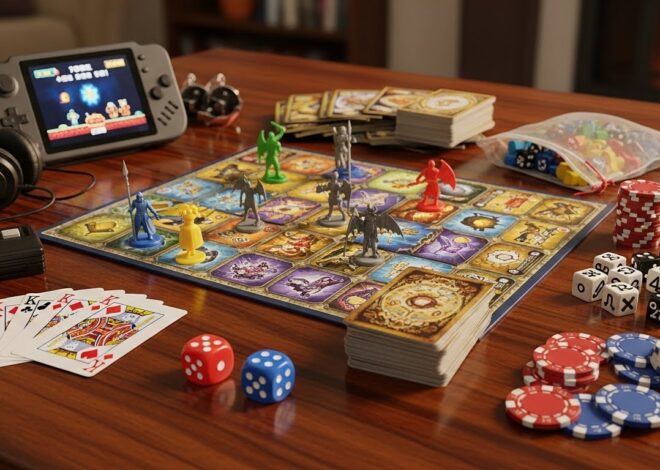
Gaming has grown from a small hobby into one of the most powerful forms of entertainment in the modern era. What once started with simple graphics and limited gameplay has transformed into an immersive digital experience that captivates millions around the world. Gaming is no longer just about fun—it influences education, creativity, communication, and even careers.
The Growth of Gaming
The journey of gaming began with basic arcade machines and early consoles. Over the years, rapid technological development has taken gaming to new heights. From 2D adventures to fully interactive 3D worlds, gaming has become an art form that blends technology, storytelling, and imagination. Today, gamers can explore vast open worlds, experience lifelike graphics, and interact with other players across the globe.
A Universal Form of Entertainment
Gaming has become a universal language understood by people of all ages and cultures. Whether it is a mobile game played for relaxation or a competitive match on a console, gaming provides entertainment that everyone can enjoy. It brings families and friends together and allows people to connect through shared experiences, regardless of where they are in the world.
The Social Side of Gaming
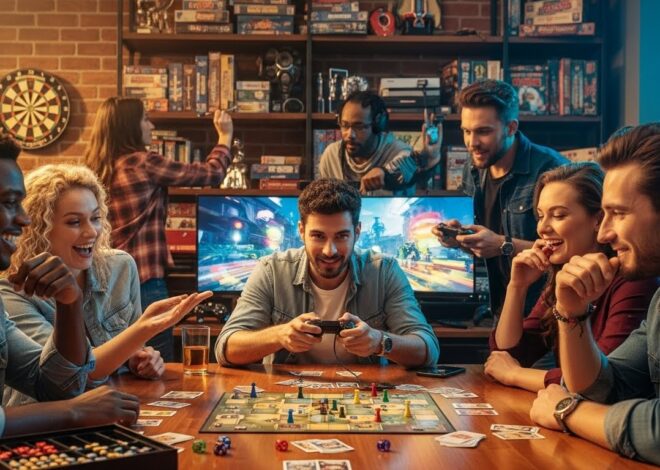
One of the biggest changes in the world of gaming is its shift from solitary play to social connection. Online multiplayer games have turned gaming into a community-driven activity. Players form friendships, build teams, and communicate in real time, making gaming a place of interaction and teamwork. It is a digital meeting ground where people share victories, challenges, and creativity.
The Rise of Esports
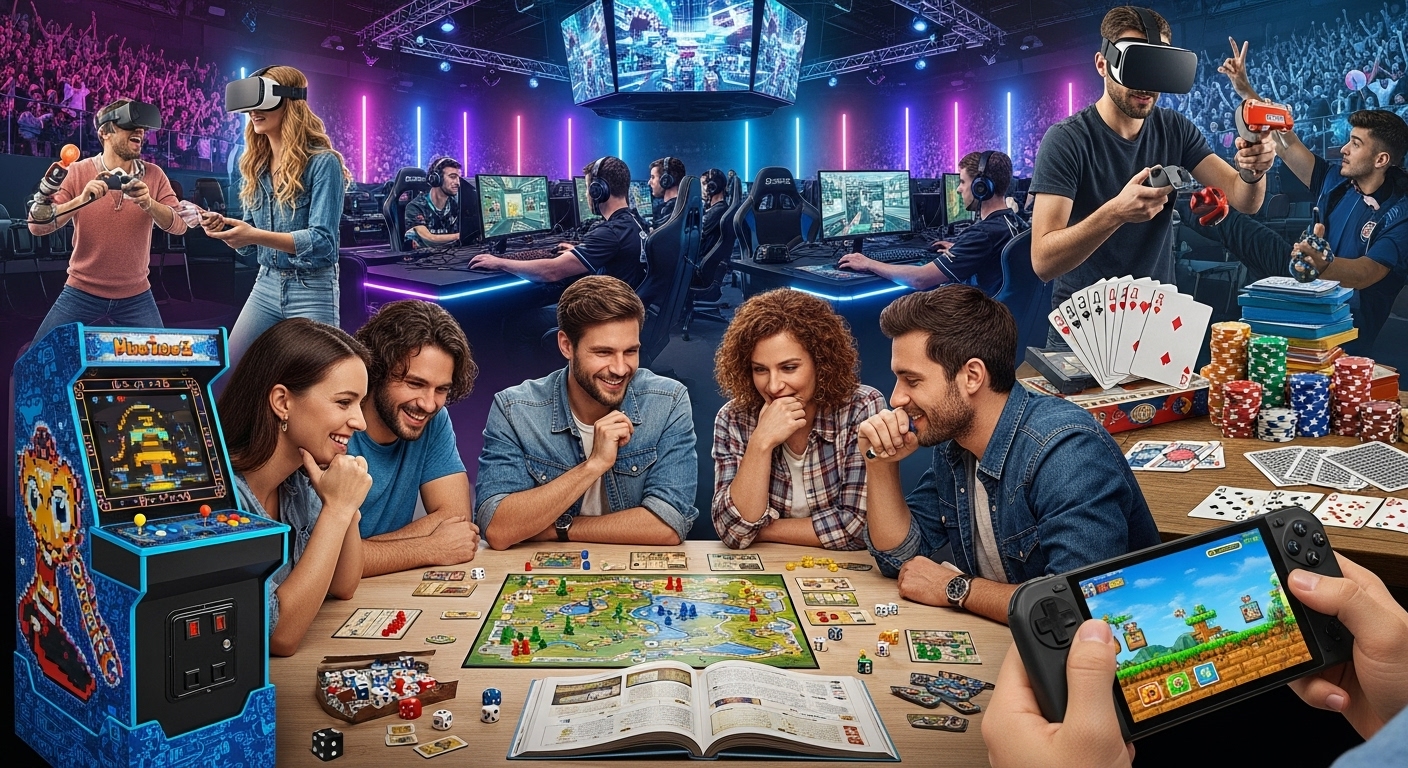
Esports, or competitive gaming, has created a new kind of sports culture. Professional players compete in tournaments watched by millions of fans. These players train with dedication, strategy, and focus, just like traditional athletes. Esports events now fill stadiums and attract global audiences, proving that gaming is not only a form of play but also a respected profession.
The Educational and Cognitive Benefits
Gaming can improve critical thinking, decision-making, and problem-solving skills. Strategy-based games encourage planning and resource management, while puzzle and simulation games develop creativity and focus. Many educational institutions are using gaming technology to make learning more interactive and engaging, showing that games can teach as much as they entertain.
Challenges in the Gaming Industry
Despite its growth and influence, gaming also faces challenges. Excessive play can lead to addiction or neglect of responsibilities. Some online environments may promote negative behavior or stress. It is important for gamers to find balance, maintain healthy habits, and promote positive communication within gaming communities. Responsible gaming ensures that play remains enjoyable and beneficial.
The Future of Gaming
The future of gaming holds limitless potential. With virtual reality, artificial intelligence, and advanced graphics, the next generation of games will offer even more immersive experiences. Cloud gaming will make high-quality games accessible to everyone, while innovations in technology will blur the line between reality and the digital world. The evolution of gaming is only beginning, and its future will redefine how people play and interact.
Conclusion
Gaming has become more than a pastime—it is a creative, educational, and social movement that shapes modern life. It inspires imagination, builds friendships, and develops valuable skills. As technology continues to evolve, gaming will keep pushing boundaries, creating new opportunities and experiences for players everywhere. The gaming revolution is here, and it continues to change the way we live, learn, and connect.