The Power of Play: How Games Shape Minds, Culture, and Social Connection
Introduction: More Than Just Fun
Games are often seen as simple leisure activities, a way to pass time or unwind. Yet, beneath the surface, games play a profound role in human life. They challenge our minds, nurture creativity, teach strategy, and foster social bonds. From the earliest board games carved in ancient civilizations to modern virtual worlds, games reflect human ingenuity, culture, and the timeless desire for challenge and connection.
In today’s digital era, games are no longer confined to physical spaces or local communities. They have become a global phenomenon, influencing social interaction, education, and even professional sports. Understanding games means understanding the balance between entertainment, skill, and human development.
The History of Games: From Ancient Boards to Modern Consoles
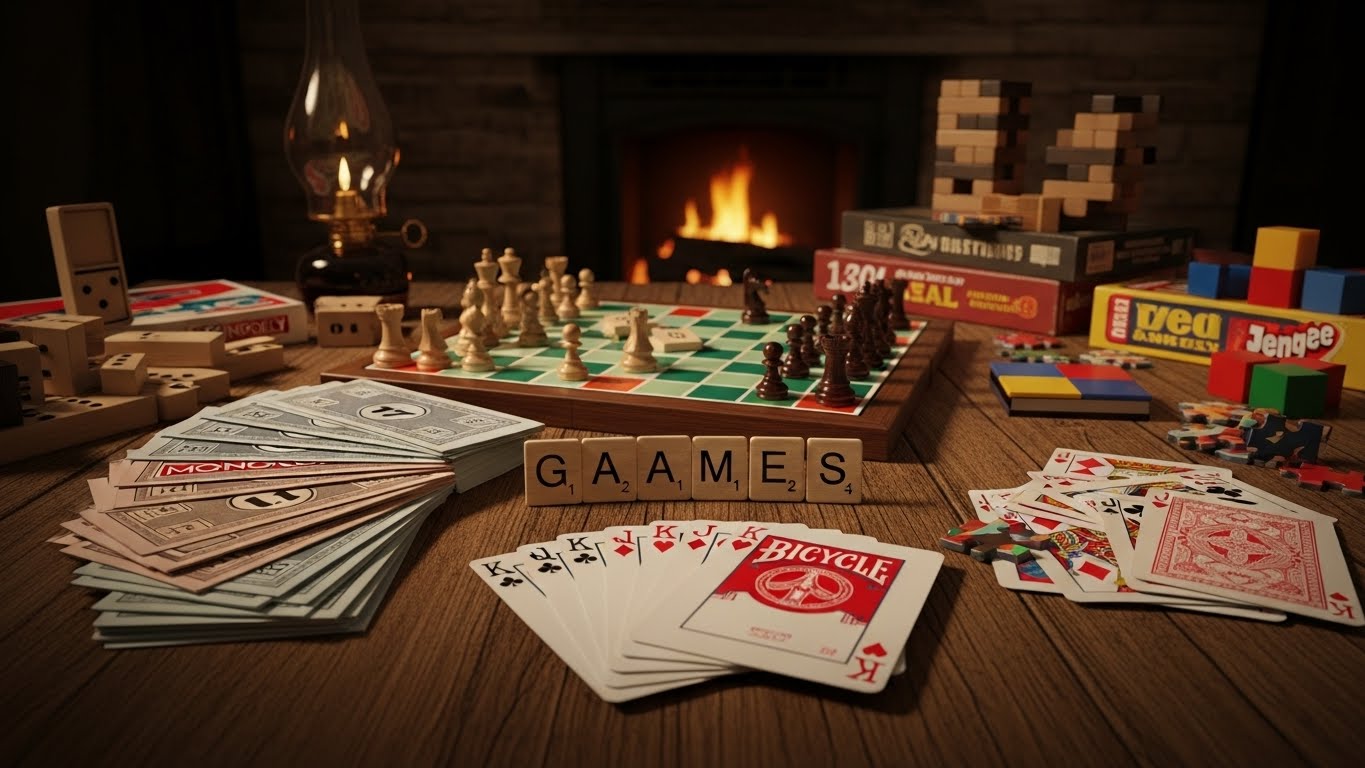
Games have existed for thousands of years. Archaeologists have discovered game pieces from ancient Egypt, Mesopotamia, and China, indicating that humans have long sought structured play. Early games such as Senet and Go were not only recreational but also served as tools for teaching strategy, patience, and decision-making.
With time, games evolved in complexity and purpose. Chess emerged as a game of intellect and foresight, card games became popular in social circles, and sports offered physical challenges combined with teamwork. Each era’s games reflected its cultural values, societal norms, and technological advancements.
The digital revolution dramatically transformed the gaming landscape. Video games introduced interactive storytelling, immersive graphics, and online communities, allowing millions to connect and compete globally. Despite the technological shift, the essence of gaming remains: engagement, challenge, and enjoyment.
The Cognitive Benefits of Gaming
Games are more than entertainment; they are powerful tools for cognitive development. Strategic games, puzzles, and role-playing games enhance problem-solving skills, memory, and decision-making. Players learn to anticipate consequences, manage resources, and adapt strategies based on changing scenarios.
Even fast-paced action games have cognitive benefits. They improve reaction times, hand-eye coordination, and spatial awareness. Research has shown that players of certain games often exhibit better multitasking abilities and heightened attention to detail.
Beyond mental agility, games can also boost creativity. Sandbox games, for instance, allow players to build worlds, design structures, and experiment with storytelling, encouraging imaginative thinking and innovation.
Games as Emotional Outlets
Games provide a unique emotional experience. Victory brings joy and a sense of achievement, while defeat teaches resilience and perseverance. Unlike real-life challenges, games offer a safe space to confront fears, explore identities, and practice decision-making without long-term consequences.
Competitive games evoke adrenaline and excitement, while cooperative games foster empathy and collaboration. Many people find games therapeutic, as they offer immersion in alternate realities, temporary escape from stress, and opportunities for self-expression.
The emotional dimension of gaming is one reason why games have become a central part of modern culture, bridging entertainment and personal growth.
The Social Dimension of Gaming
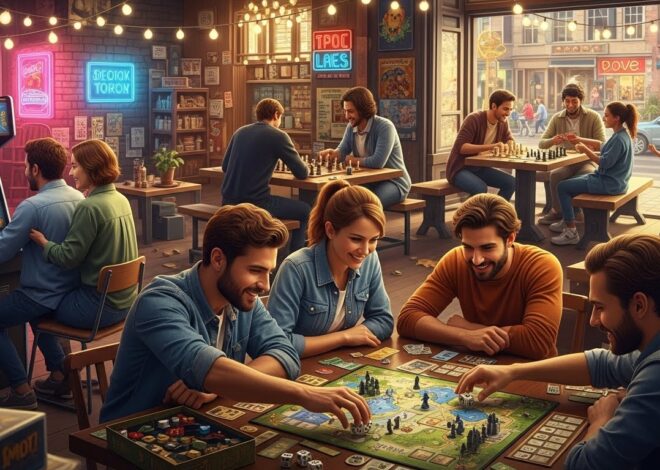
Contrary to the stereotype of the isolated gamer, games are deeply social experiences. Multiplayer and online games create communities where players collaborate, compete, and form lasting friendships. Shared objectives and challenges foster teamwork and communication skills.
Gaming also allows cross-cultural interaction. People from different countries and backgrounds can cooperate in virtual worlds, gaining exposure to diverse perspectives. Competitive esports tournaments attract global audiences, uniting fans in shared excitement and celebration.
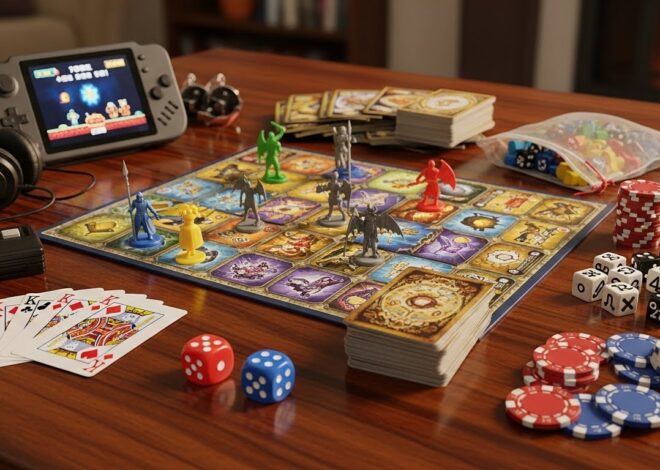
Even offline games, like board games or sports, build connections by bringing people together for collective enjoyment and shared stories. The social impact of games extends beyond entertainment, shaping relationships and community engagement.
The Educational Potential of Games
Education and gaming have increasingly overlapped. Educational games teach subjects like mathematics, history, and language through interactive and engaging methods. Simulations and role-playing games allow students to practice real-world skills, such as critical thinking, strategy, and teamwork.
Games also support experiential learning. Players often learn by trial and error, exploring consequences in a risk-free environment. This form of learning encourages curiosity, persistence, and adaptability—skills highly valuable in both personal and professional life.
The potential of games as educational tools continues to grow, bridging the gap between traditional teaching and immersive, hands-on learning experiences.
The Business of Gaming
Gaming is now a billion-dollar industry, encompassing development, marketing, professional competitions, and streaming platforms. Game designers, programmers, writers, and artists work together to create immersive experiences that entertain millions worldwide.
The industry’s growth has created opportunities for professional gamers, content creators, and esports organizations. Competitive gaming has gained recognition as a legitimate career path, with tournaments offering substantial rewards and global prestige.
While commercialization brings challenges, such as overemphasis on trends or monetization, it also fuels innovation. Developers continually push boundaries in graphics, storytelling, and gameplay, ensuring the medium evolves and captivates audiences.
Psychological Effects of Gaming
Games have a profound psychological impact. They teach patience, strategic thinking, and perseverance while offering a sense of accomplishment and identity. Role-playing games, for instance, allow players to explore alternate personalities and perspectives, fostering empathy and self-awareness.
However, it is essential to approach gaming mindfully. Excessive play can interfere with daily responsibilities and social interaction. Moderation, along with healthy gaming habits, ensures that players reap benefits without negative consequences.
Overall, games can enrich emotional, cognitive, and social well-being when approached thoughtfully, making them valuable beyond mere entertainment.
The Future of Gaming
The future of gaming promises remarkable innovations. Virtual reality and augmented reality are making games more immersive than ever, allowing players to step directly into digital worlds. Artificial intelligence is shaping adaptive gameplay, where games respond intelligently to player actions.
The rise of cloud gaming and mobile platforms ensures accessibility, enabling players to enjoy high-quality experiences without expensive hardware. Additionally, socially conscious and narrative-driven games are pushing boundaries, blending storytelling with interactive problem-solving and social commentary.
Despite technological advances, the heart of gaming remains timeless: challenge, creativity, connection, and fun. The future will expand possibilities, but the essence of play will always endure.
Conclusion: The Enduring Significance of Games
Games are far more than hobbies or distractions. They shape minds, nurture creativity, foster social bonds, and offer emotional and educational benefits. Whether through strategy, action, imagination, or competition, games provide experiences that mirror life, teaching lessons and offering joy along the way.
In a rapidly changing world, games remain a universal language. They connect people across cultures, ages, and backgrounds, demonstrating the power of play to unite, challenge, and inspire. Games remind us that learning, growth, and fun can coexist—and that the simple act of playing can have a lasting impact on how we think, feel, and relate to one another.
Games are not just entertainment—they are a vital part of human experience, shaping the past, present, and future in ways both visible and profound.