
The World of Games: More Than Just Fun
Introduction
Games have been an integral part of human life for centuries. From ancient board games to modern video games, they have entertained, challenged, and brought people together. Games are not just a way to pass the time—they foster creativity, strategic thinking, and social interaction. In every corner of the world, games play a vital role in education, recreation, and even professional competition.
The History of Games
Games date back thousands of years, with early civilizations creating board games, puzzles, and athletic contests. Ancient Egyptians played Senet, while strategy games like Chess and Go emerged in Asia. These early games were more than entertainment; they taught strategy, patience, and decision-making. Over time, games evolved into modern forms, including digital and mobile games, keeping pace with technology and society.
The Social Aspect of Games
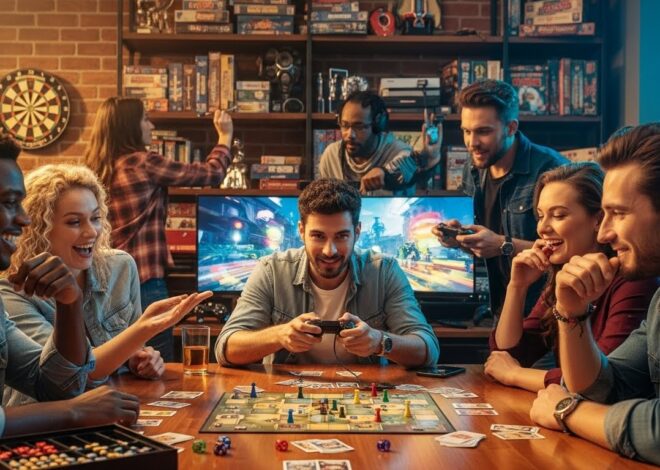
One of the greatest benefits of games is their ability to bring people together. Board games, card games, and multiplayer video games encourage communication, collaboration, and friendly competition. Playing games with friends and family strengthens bonds and creates shared experiences. Online games allow people from different countries and cultures to connect, fostering global friendships and understanding.
Cognitive and Educational Benefits
Games are not only fun—they also sharpen the mind. Strategy games develop problem-solving skills and critical thinking. Puzzle games enhance memory, focus, and attention to detail. Educational games make learning interactive and engaging, helping students retain information in an enjoyable way. Games stimulate both the brain and creativity, proving that fun and learning can go hand in hand.
The Rise of Digital and Video Games
The digital age has revolutionized the world of games. Video games now offer immersive experiences with high-quality graphics, storytelling, and interactive gameplay. Mobile games have made gaming accessible to people of all ages, while multiplayer platforms connect players worldwide. Gaming has become a mainstream form of entertainment that rivals movies and sports in popularity.
Professional Gaming and Competitions
Games have evolved into a professional and competitive arena. Esports tournaments attract millions of viewers and offer substantial rewards for skilled players. Professional gamers and streamers have become influencers, inspiring young players and shaping gaming culture. Competitive gaming requires discipline, teamwork, and strategic thinking, similar to traditional sports.
The Future of Games
The future of games is full of innovation. Virtual reality, augmented reality, and artificial intelligence are creating experiences that blur the line between reality and fantasy. Games are becoming more inclusive, accessible, and engaging for players of all ages and abilities. As technology advances, games will continue to educate, entertain, and connect people worldwide.
Conclusion
Games are far more than a pastime—they are a powerful tool for learning, social interaction, and personal growth. From ancient board games to modern digital worlds, they continue to shape how we think, play, and connect with others. Games inspire creativity, challenge the mind, and bring people together, proving that play is a vital part of life.